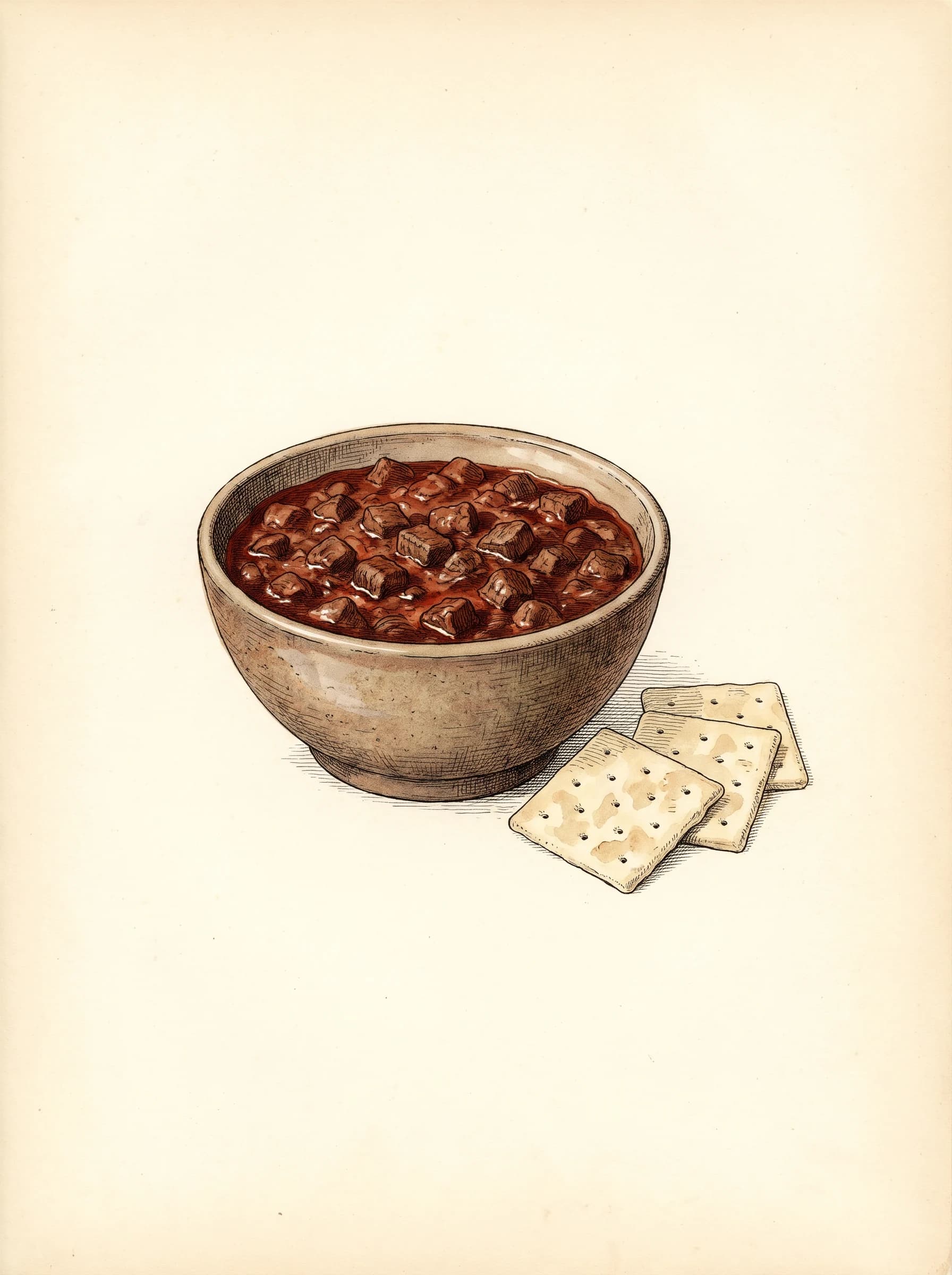
Texas red is a stew of beef and dried red chiles, the bowl most people picture when they hear the word chili. It grew up in San Antonio’s plazas and became the official state dish in 1977. Competition cooks in Texas hold it to strict rules, and beans are the famous line in the sand.
The dish has deep roots in working-class Tejana and Mexican cooking. In San Antonio, women known as the chili queens sold chili con carne, tamales and enchiladas from open-air stands in the city’s plazas, a fixture from the late nineteenth century until the late 1930s (accounts of the start range from the 1860s to the 1880s). They worked Military Plaza until City Hall went up there in 1889, then moved to Haymarket Plaza, Milam Park and other squares. The city closed the stands for good in the early 1940s, citing unsanitary dishwashing.
The earliest written uses of the phrase are older than the stands' heyday, though. Wikipedia’s survey points to an 1857 Spanish-language mention of chile con carne. A San Antonio Chili Stand at the 1893 World’s Columbian Exposition in Chicago introduced many Americans to the dish. Who cooked the first bowl, and where, is a question the record leaves open.
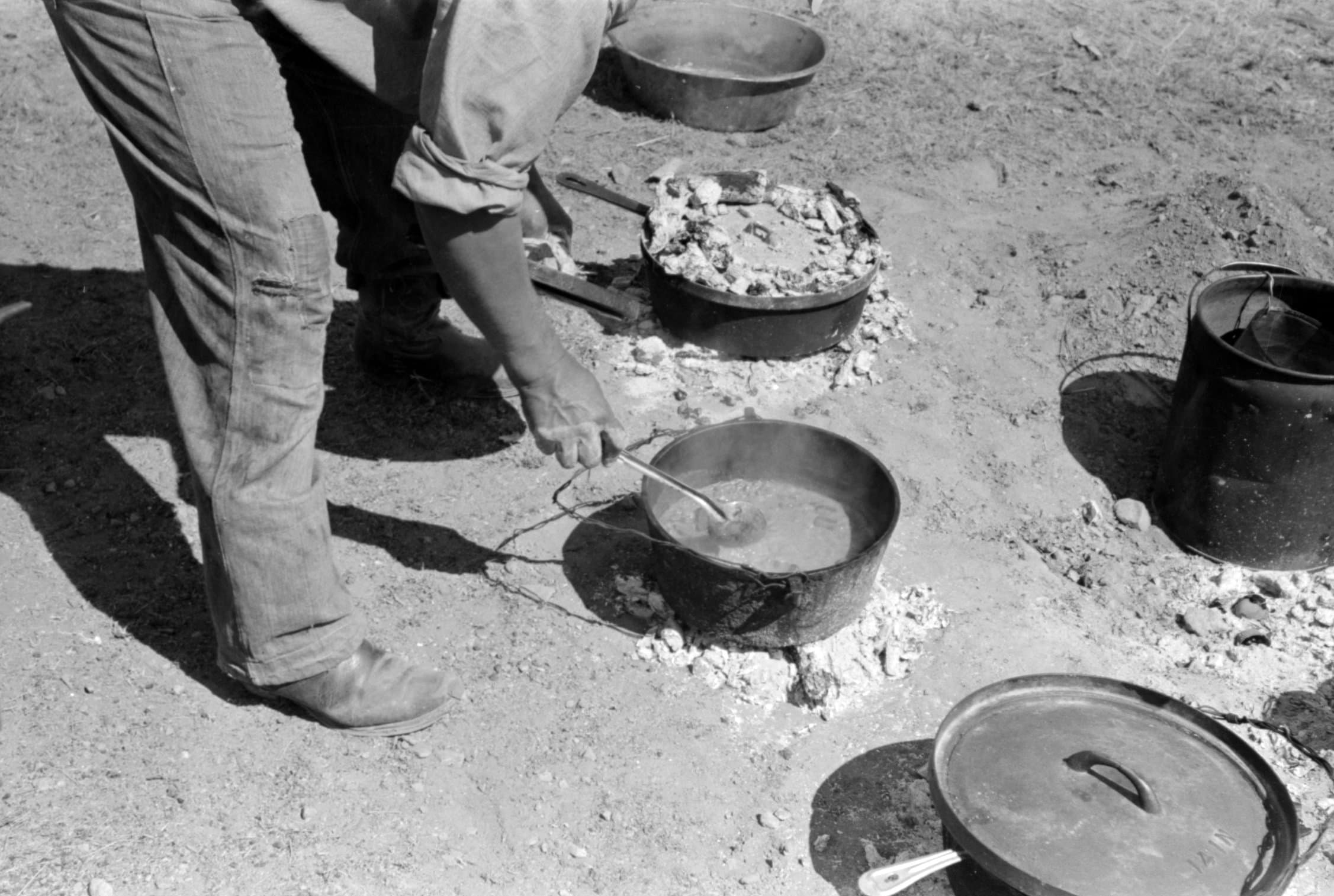
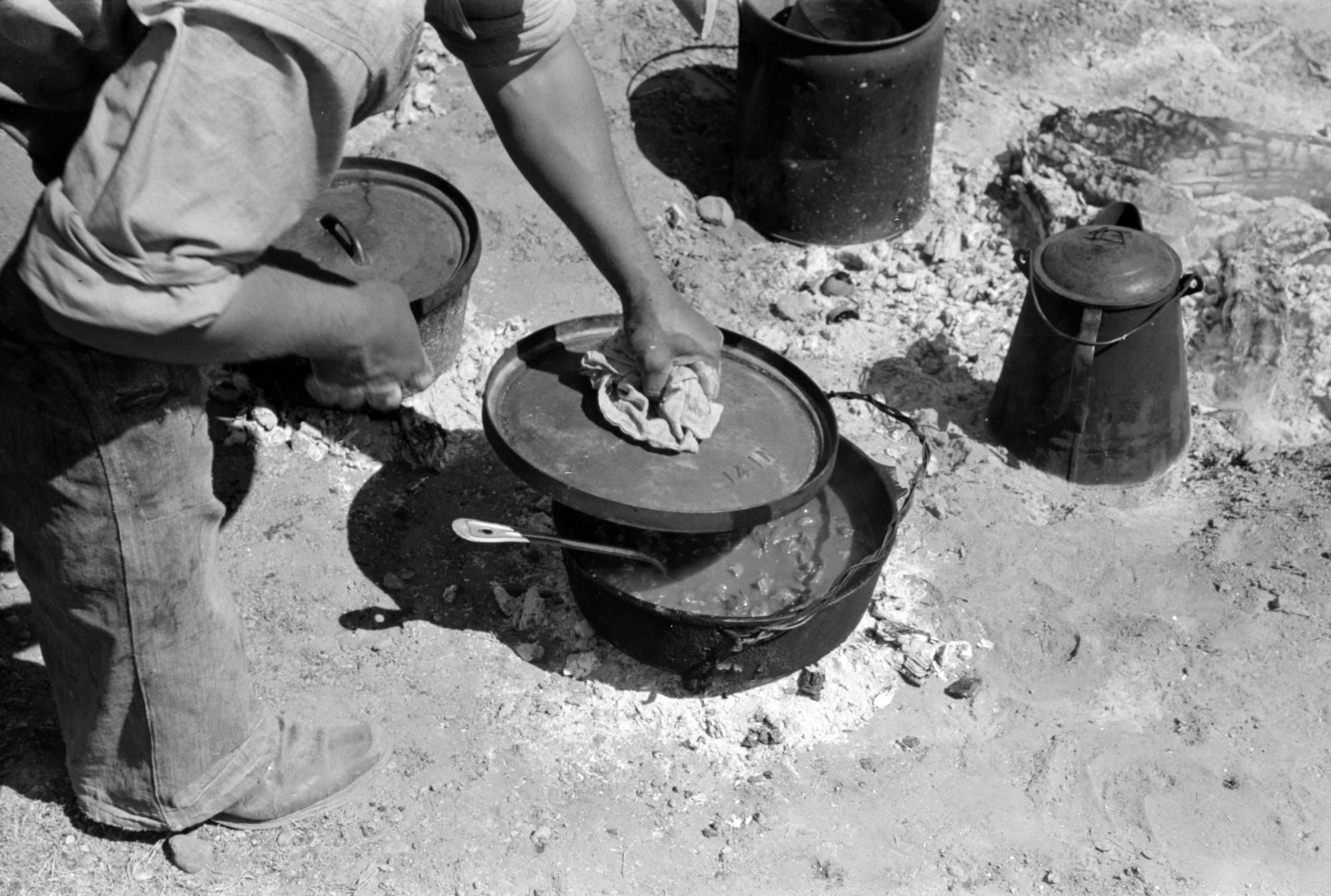
The classic method is simple to describe and endlessly argued over. Beef, cubed or coarse-ground, simmers with dried red chiles or chili powder, cumin, garlic and onion until thick. Some cooks thicken it with masa harina. Tomatoes are a running dispute: some guides call for none, while the newspaperman Wick Fowler, creator of Two-Alarm Chili, added a can of tomato sauce for every three pounds of meat.
In 1977 the 65th Texas Legislature named chili the state dish by House Concurrent Resolution 18. The competition world formalized the rest. The Chili Appreciation Society International’s rules require chili cooked from raw meat on site, with no marinating, and they ban fillers outright: beans, macaroni, rice and hominy are all out. Tomatoes, onions and peppers are allowed if they are cut evenly.
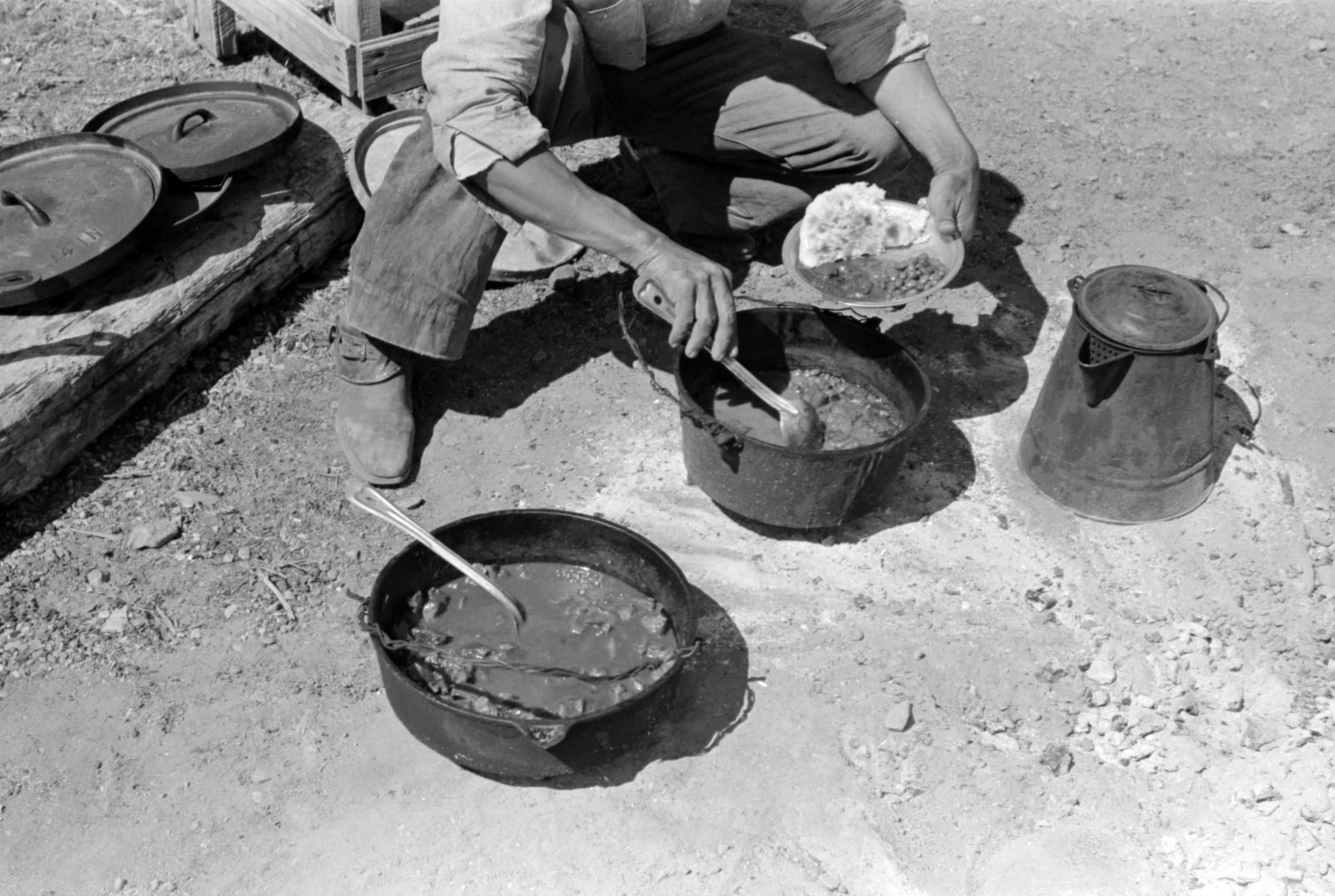
Outsiders often assume a pot of beef-and-bean chili is Texas chili with extras. Many Texans would call it a different dish. Others point out that beans have kept company with chili since the early twentieth century, long enough to earn a place at the table at home, if not in the judging cup.
Sources
- Popular Chili Queens Graced San Antonio Plazas, Journal of San Antonio (University of the Incarnate Word)
- Chili con carne, Wikipedia
- Official CASI Rules, 2024-2027, Chili Appreciation Society International
- State Food Proclamation, Chili Appreciation Society International
- Texas State Dish: Chili, Washington-on-the-Brazos (Where Texas Became Texas)
- A Guide To Regional American Chili Styles, The Daily Meal
- CASI Historical Goodies, Chili Appreciation Society International