Cincinnati chili is a thin, warmly spiced meat sauce created by immigrant restaurateurs in the 1920s. It goes over spaghetti or hot dogs, almost never alone in a bowl. Locals order it by number, and the numbers matter.
The story usually starts in 1922. Tom and John Kiradjieff, Macedonian immigrant brothers (sources differ on the spelling of their names and on their hometown), opened a stand next to the Empress burlesque theater and named it after the theater. Tom adapted a Mediterranean meat dish into what he called chili spaghetti. Customer requests added grated cheese and turned the sauce into a topping. Historians have suggested pastitsio, moussaka or saltsa kima as the starting point, and nobody has settled which.
The method surprises cooks from elsewhere. Raw ground beef is crumbled into water or stock, then simmered for hours with tomato paste and a spice mix that typically includes cinnamon, allspice, cloves, cumin, nutmeg, bay leaf and chili powder. Many recipes chill the sauce overnight to skim the fat. Chocolate is a popular rumor; the reporting we found says the classic parlors leave it out, while some recipe guides do list a little cocoa.
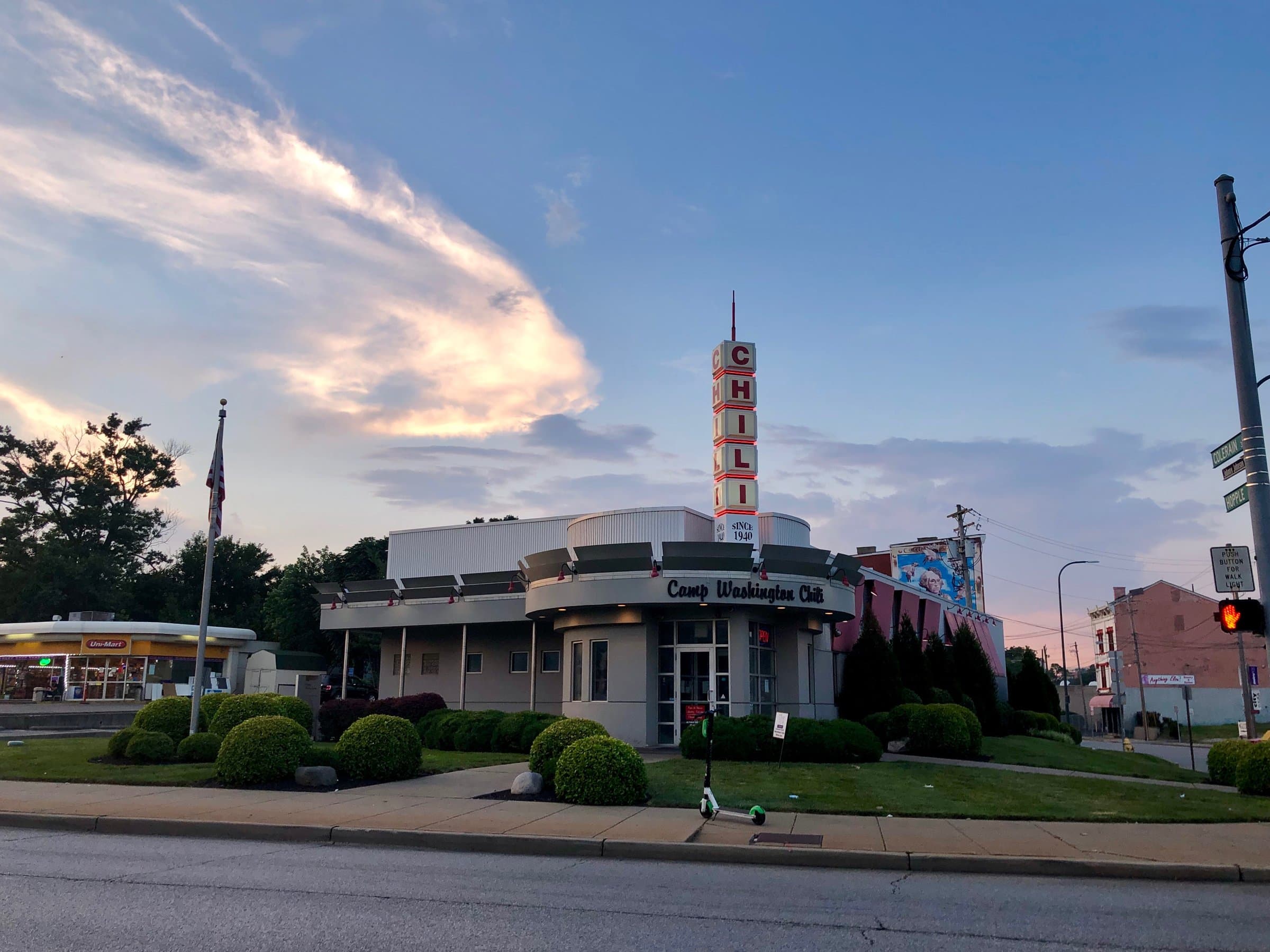
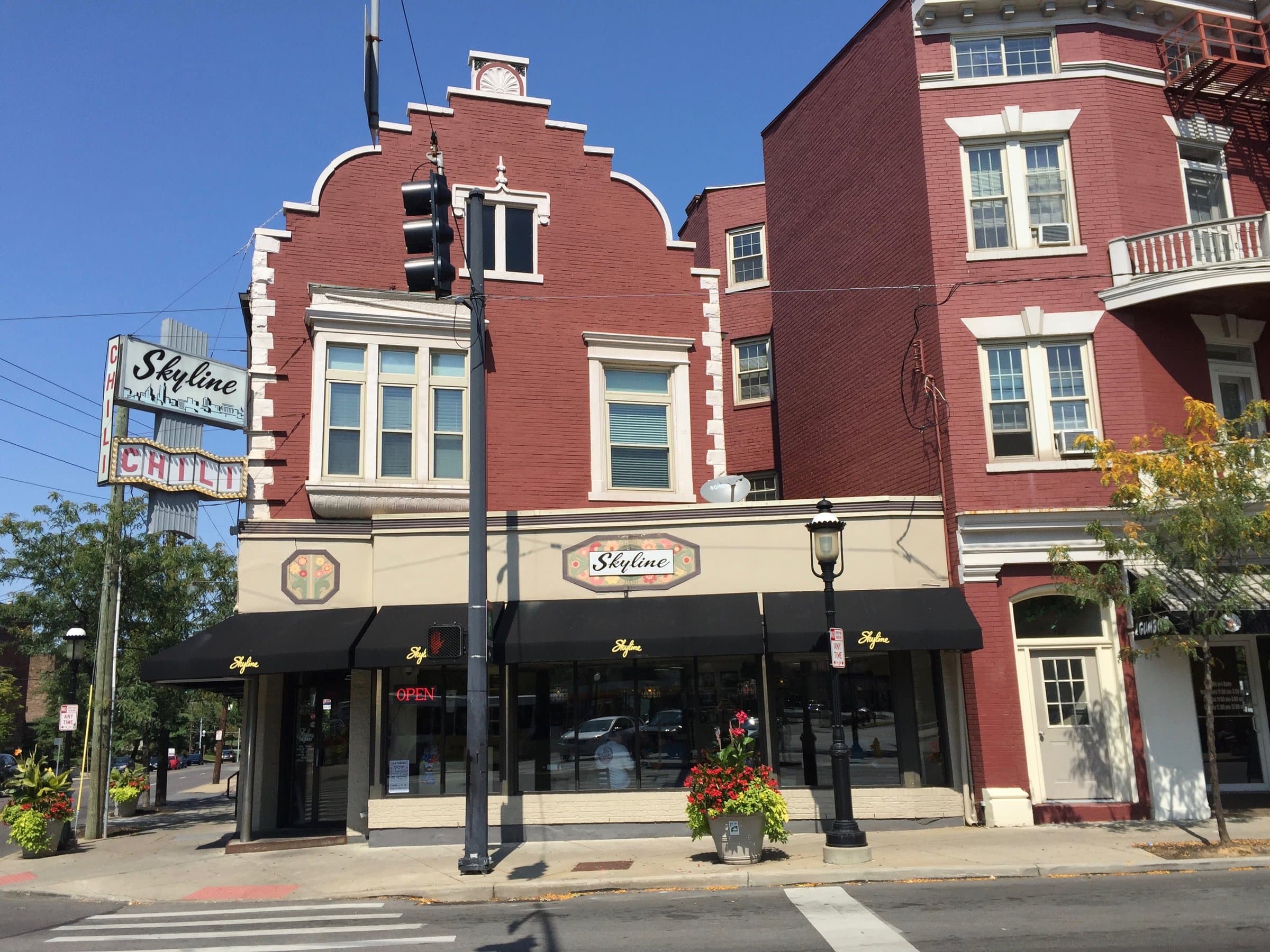
The parlors became an institution. Empress was the biggest chain until 1949, when Nicholas Lambrinides, a former Empress employee, founded Skyline Chili. In 1965 four Daoud brothers from Jordan bought a restaurant called Hamburger Heaven and renamed it Gold Star Chili. Camp Washington Chili, an independent, won a James Beard America’s Classics award in 2000.
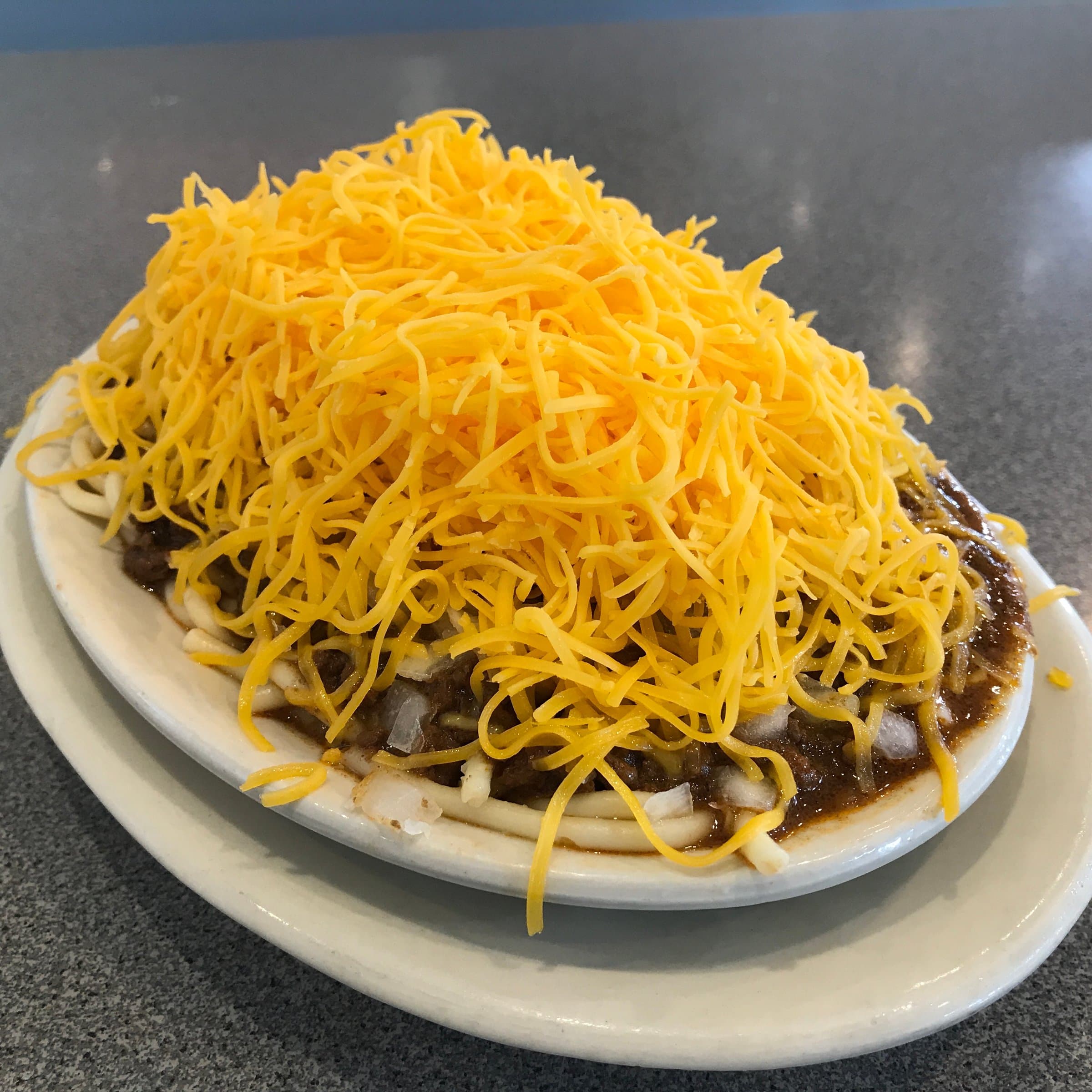
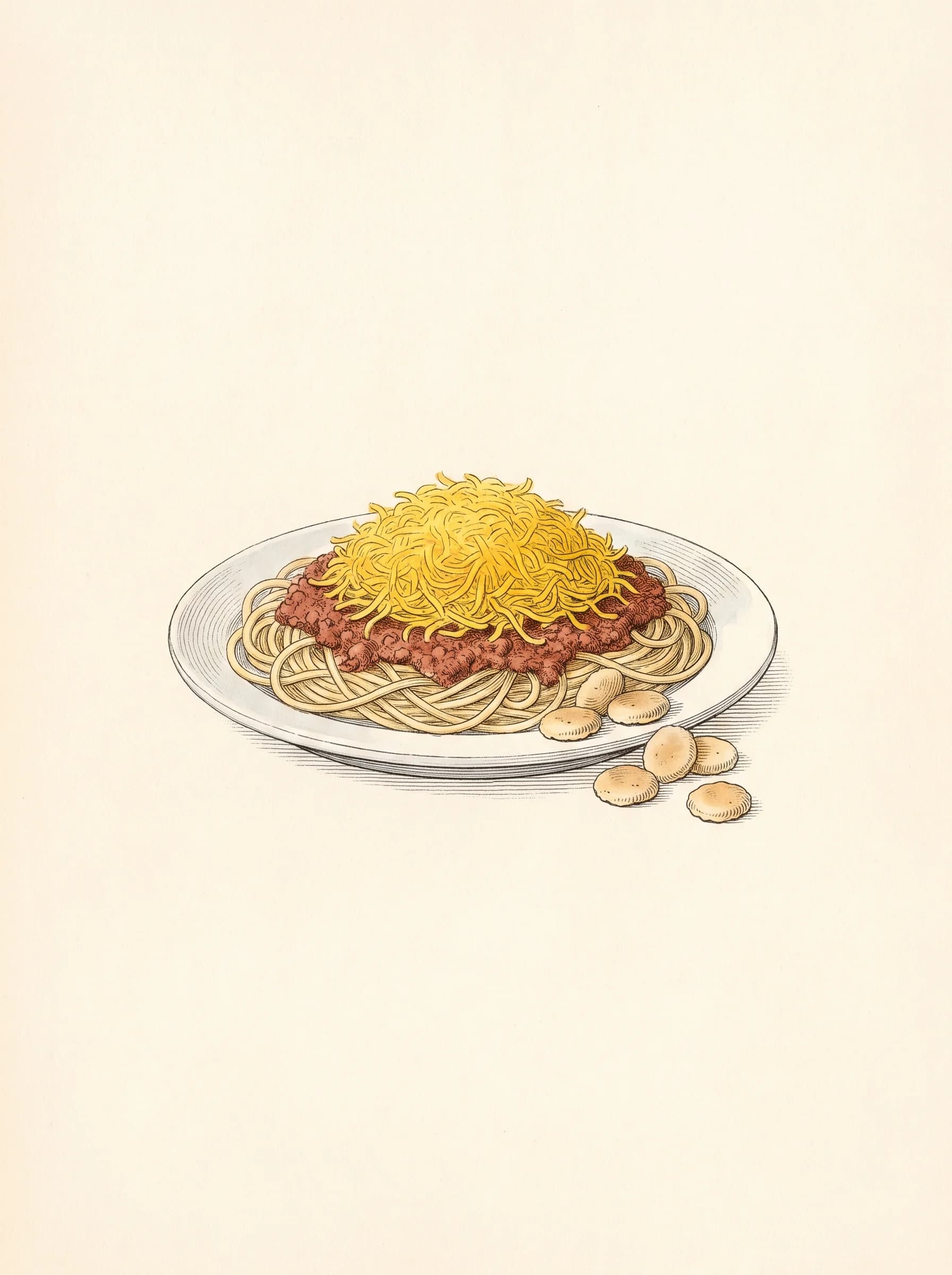
Locals tend to eat a three-way like a casserole, cutting bites with the side of the fork. It arrives on an oval plate, often with oyster crackers and a mild hot sauce. The coney, a small hot dog under chili, mustard and onion, is the other half of the menu.
The usual outsider mistake is judging it as a bowl of Texas red.