The pepper guide
Chile with an E, in the pot.
23 chiles found in American chili pots, from the mild, raisiny ancho to the tiny wild chiltepín. Drawn as specimens, measured in Scoville units, sourced.
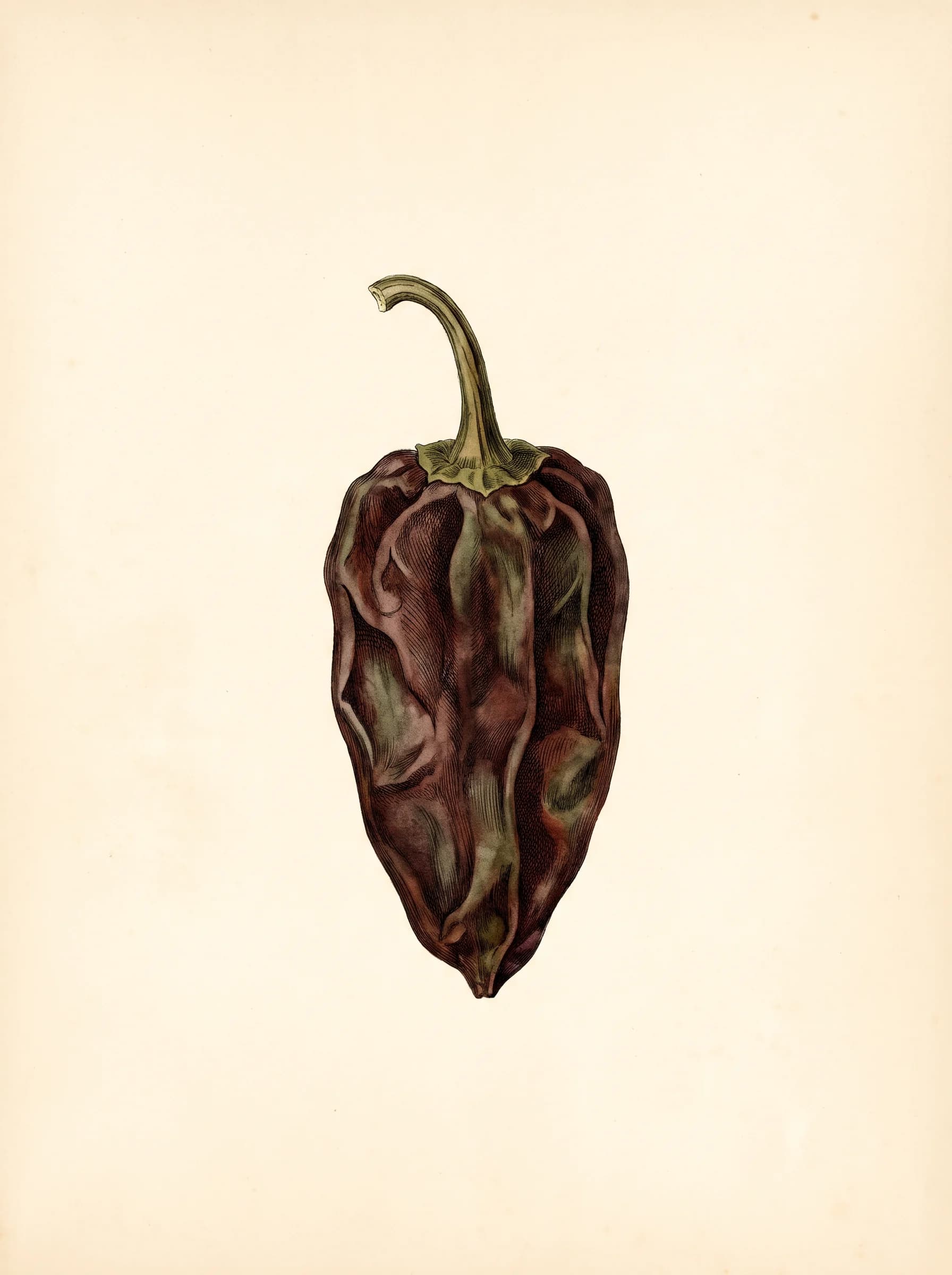
Ancho
Dried Poblano · 1,000–1,500 SHU
Rich and raisin-sweet, in America's Test Kitchen's description.
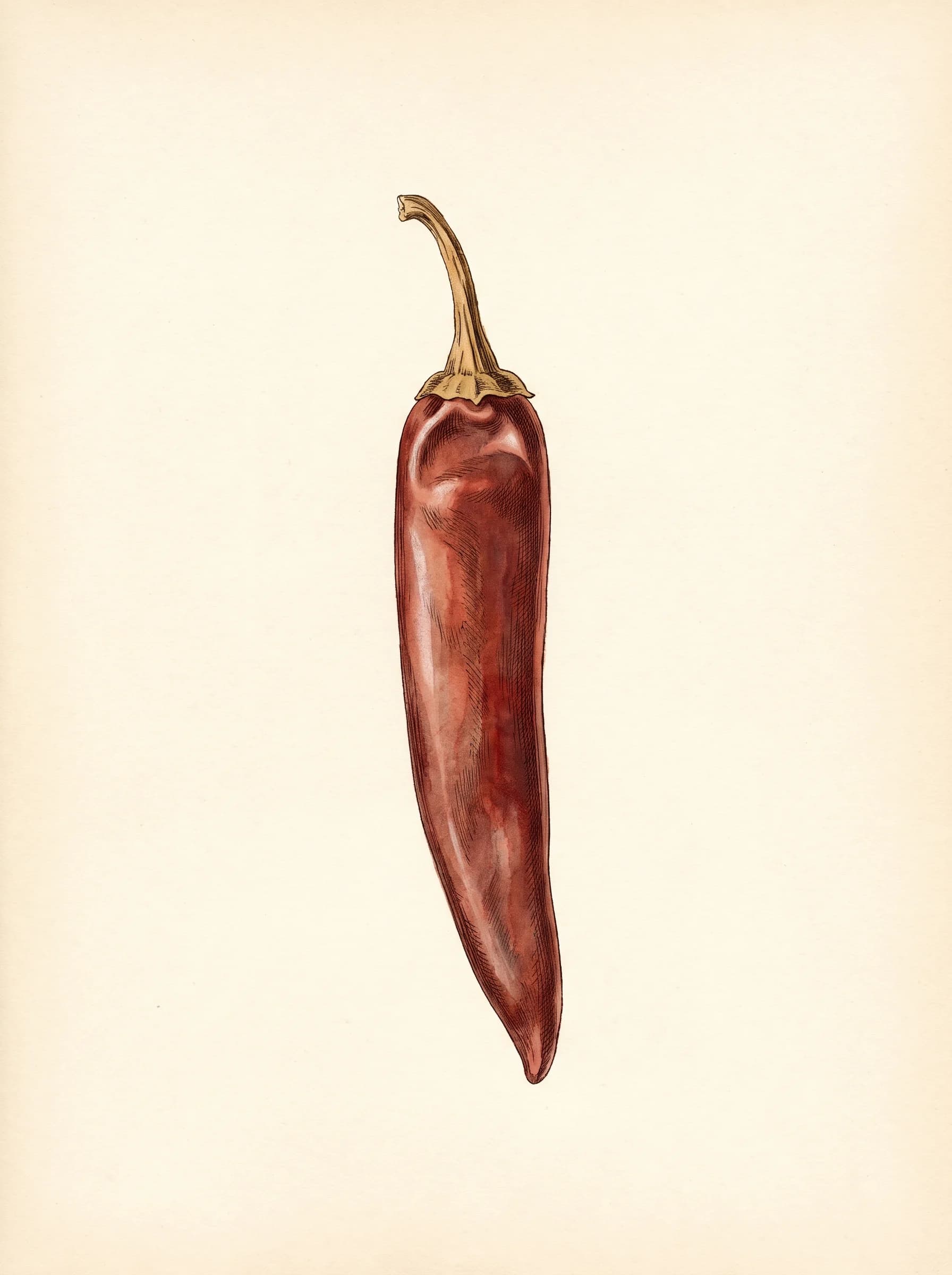
Guajillo
Dried Mirasol · 2,500–5,000 SHU
Rick Bayless calls guajillos very bright-tasting, with far less heat than árbol.
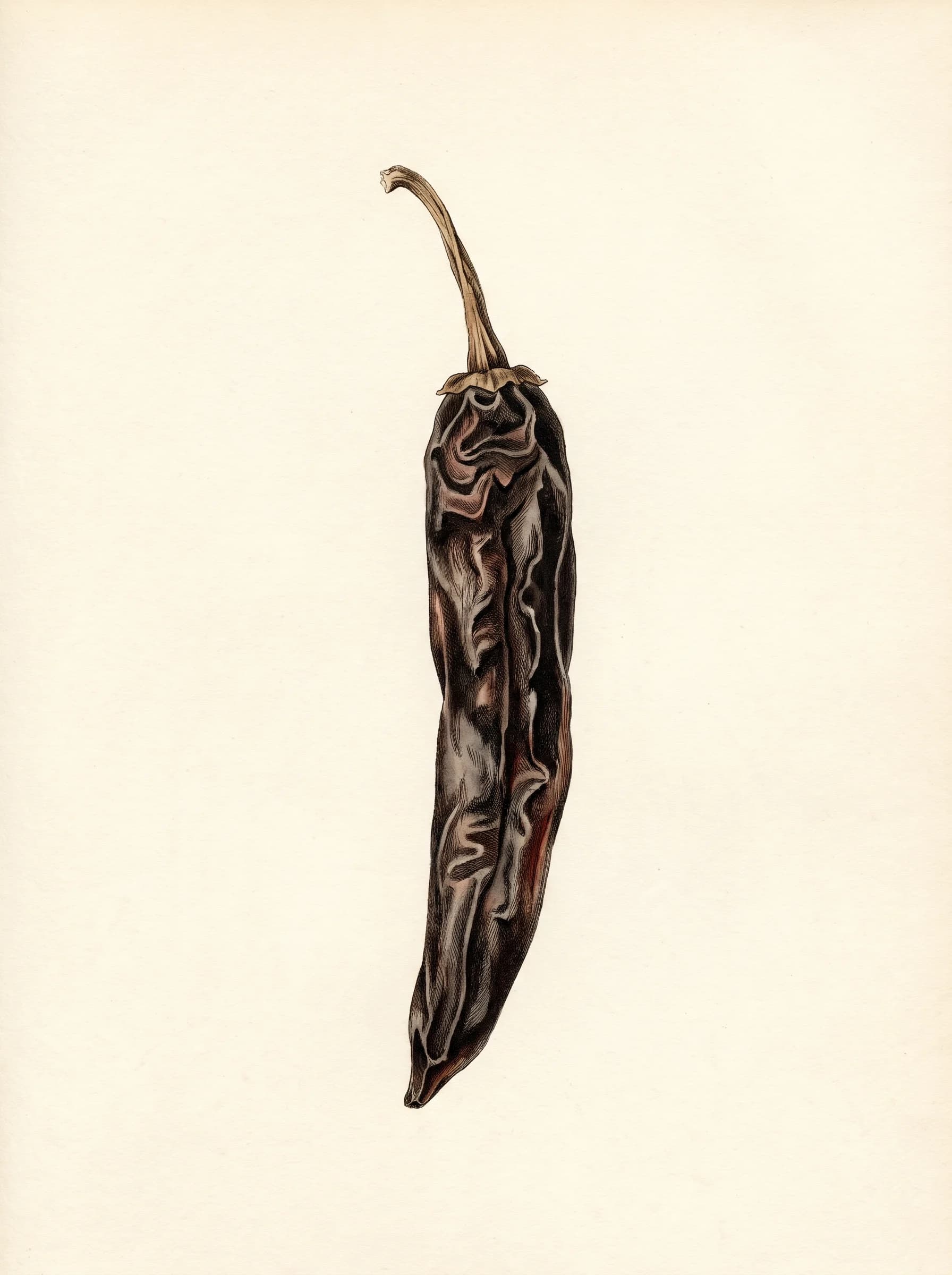
Pasilla
Dried Chilaca · 1,000–1,500 SHU
Long, thin, and dark, with overtones of chocolate and raisin, per the Fiery Foods glossary.
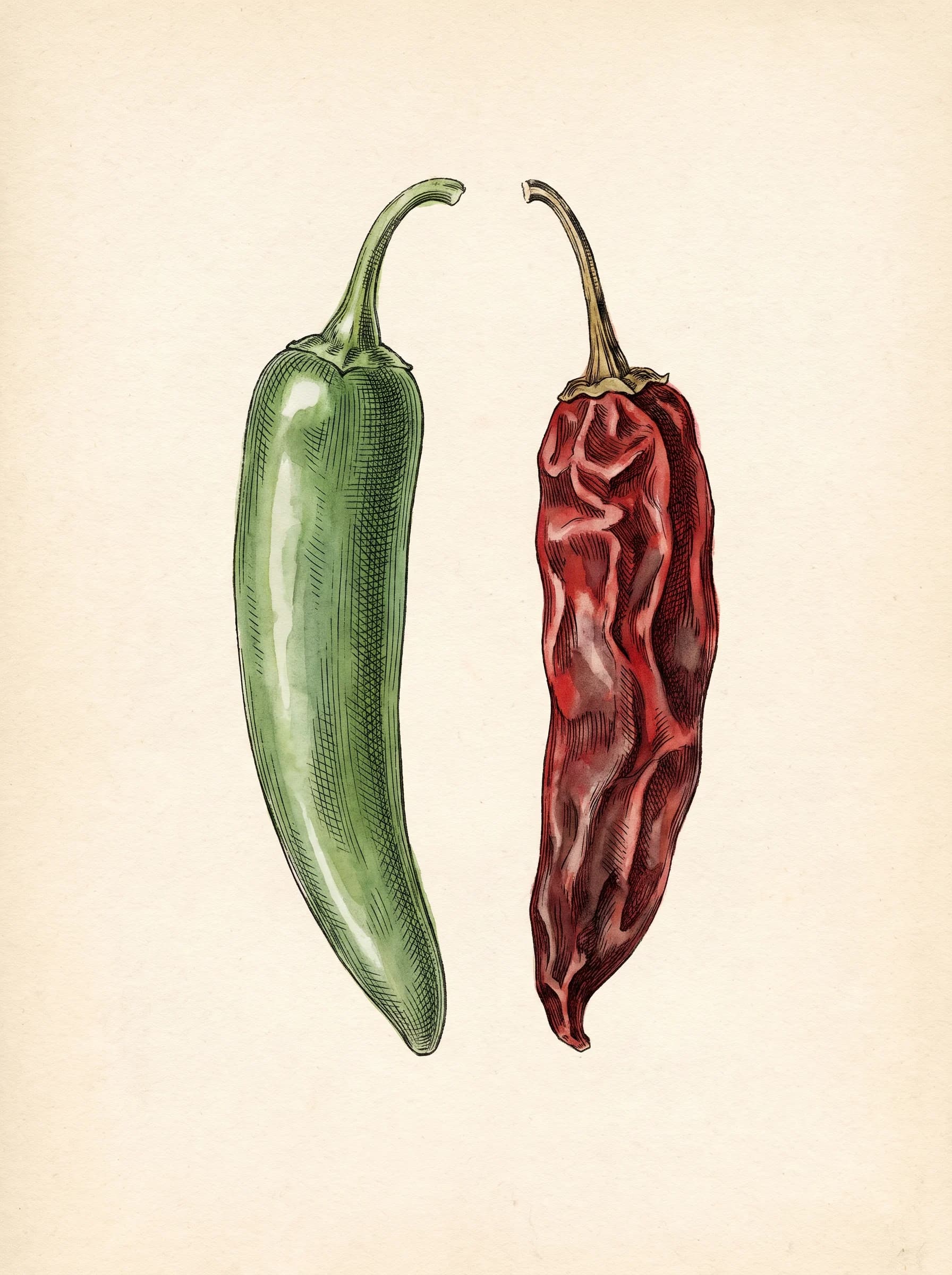
New Mexico
500–2,500 SHU
Dried red pods taste slightly acidic and earthy, according to America's Test Kitchen.
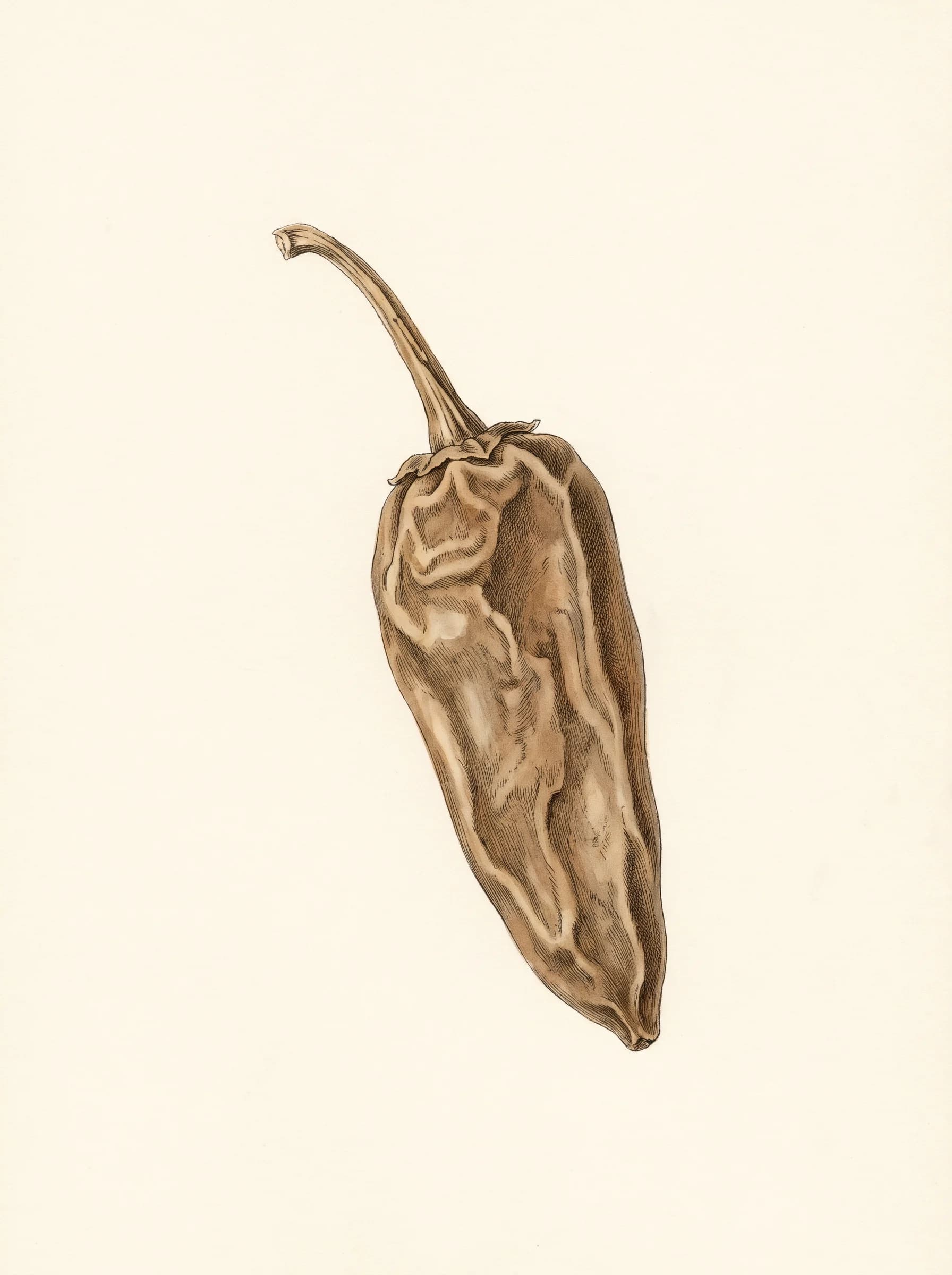
Chipotle
Dried Jalapeño · 5,000–10,000 SHU
Smoky and chocolaty with a tobacco-like sweetness, in America's Test Kitchen's description.
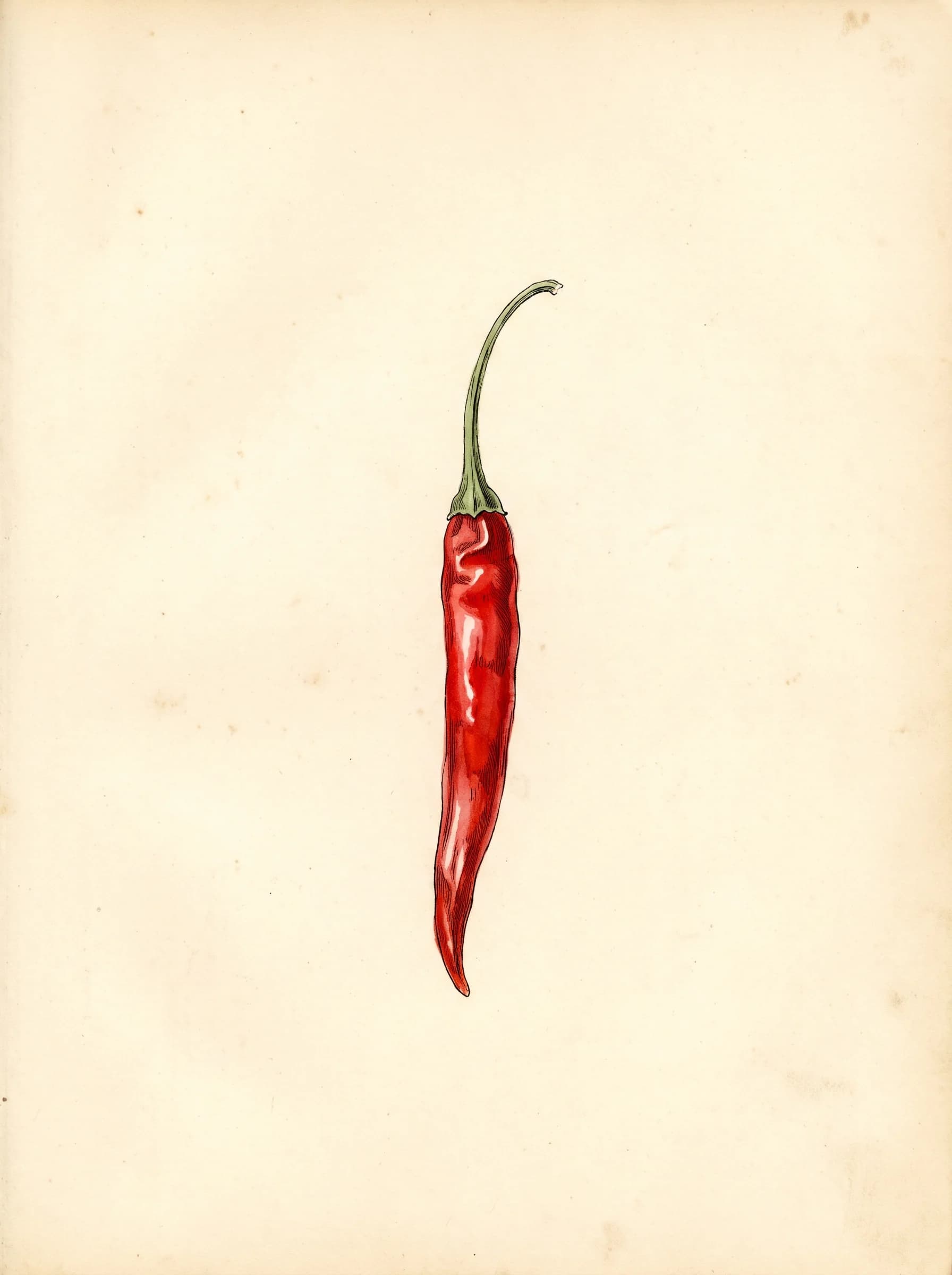
Chile de Árbol
15,000–30,000 SHU
Bright with smoky undertones, per America's Test Kitchen; Rick Bayless points to its natural earthiness.
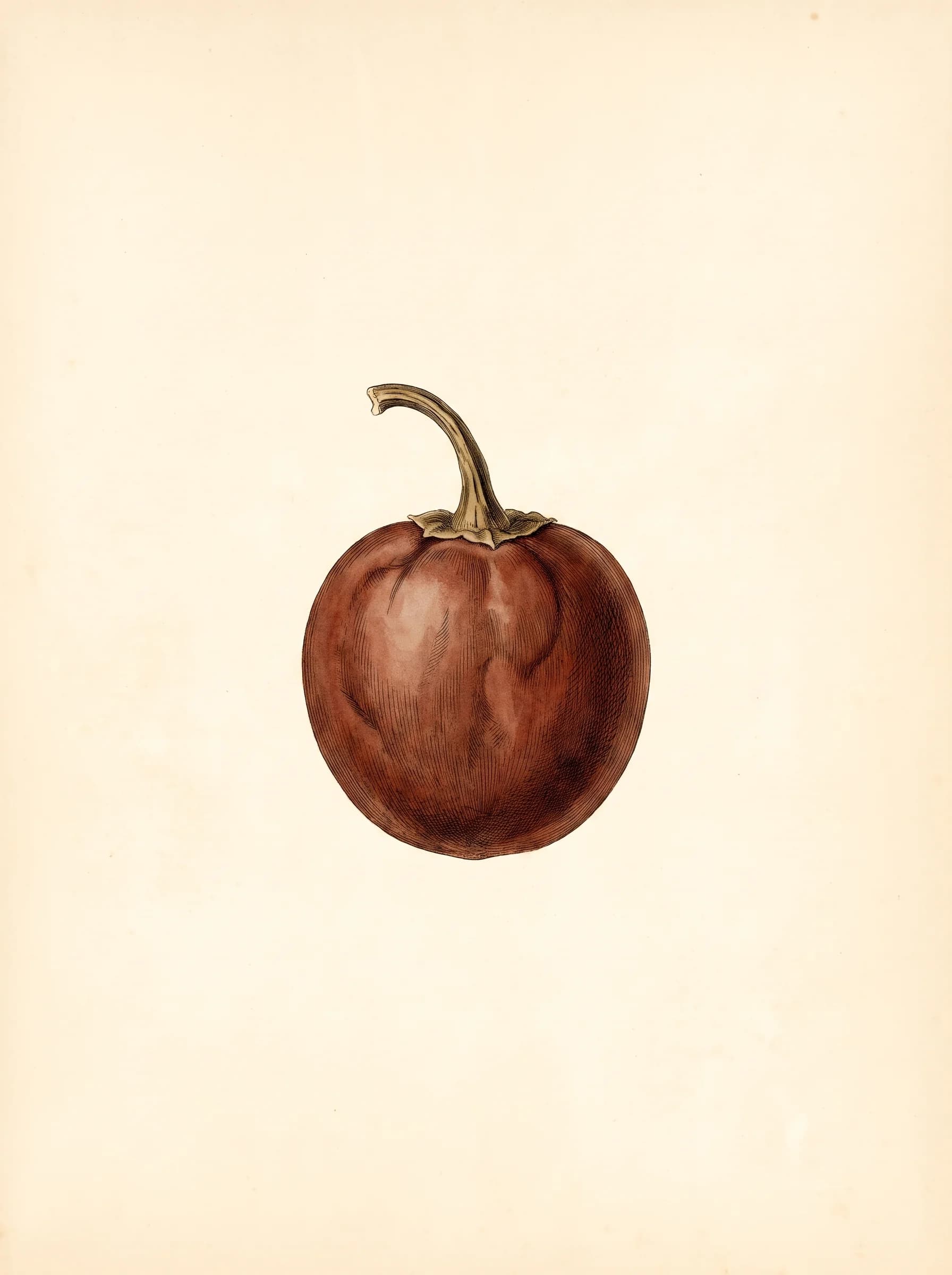
Cascabel
Dried Bola · 1,500–2,500 SHU
Nutty and woodsy, according to America's Test Kitchen.
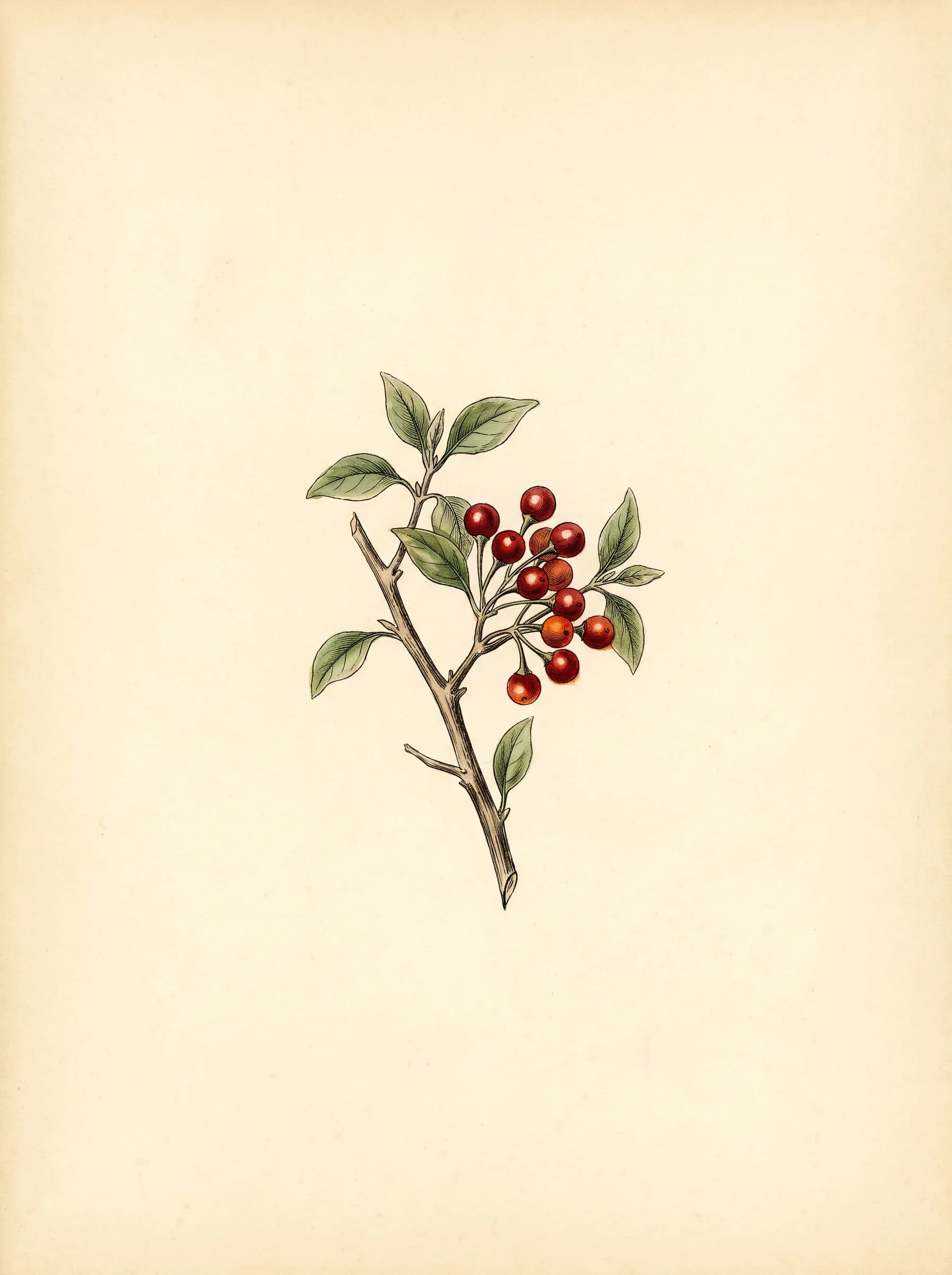
Chiltepín
50,000–100,000 SHU
A sharp, fast heat that fades quickly, which Mexican cooks call arrebatado; America's Test Kitchen finds the related pequín bright and citrusy.
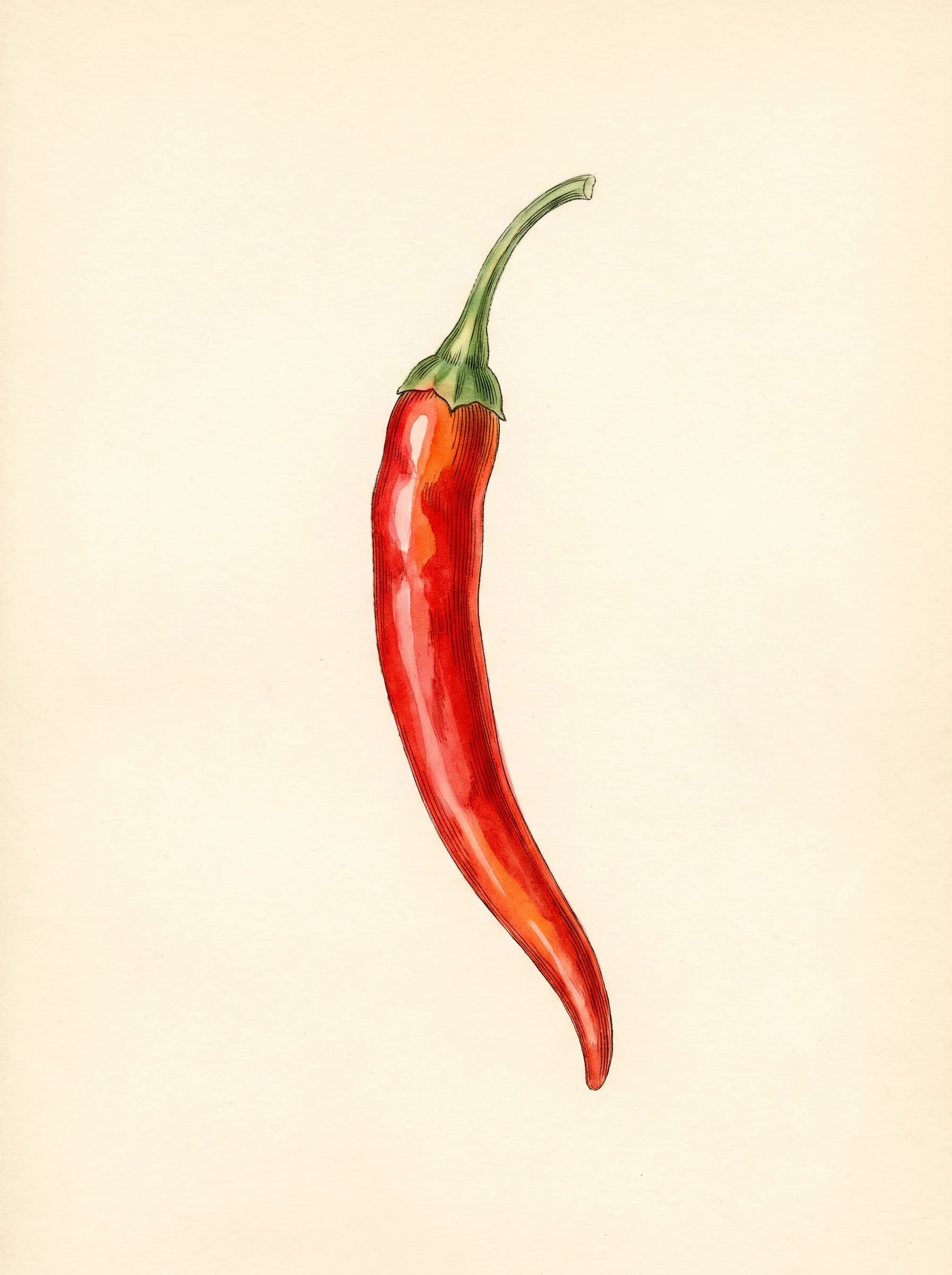
Cayenne
30,000–50,000 SHU
Ground cayenne is sold for heat more than nuance; Dave DeWitt notes the jar may hold any small hot red chile, so flavor varies.
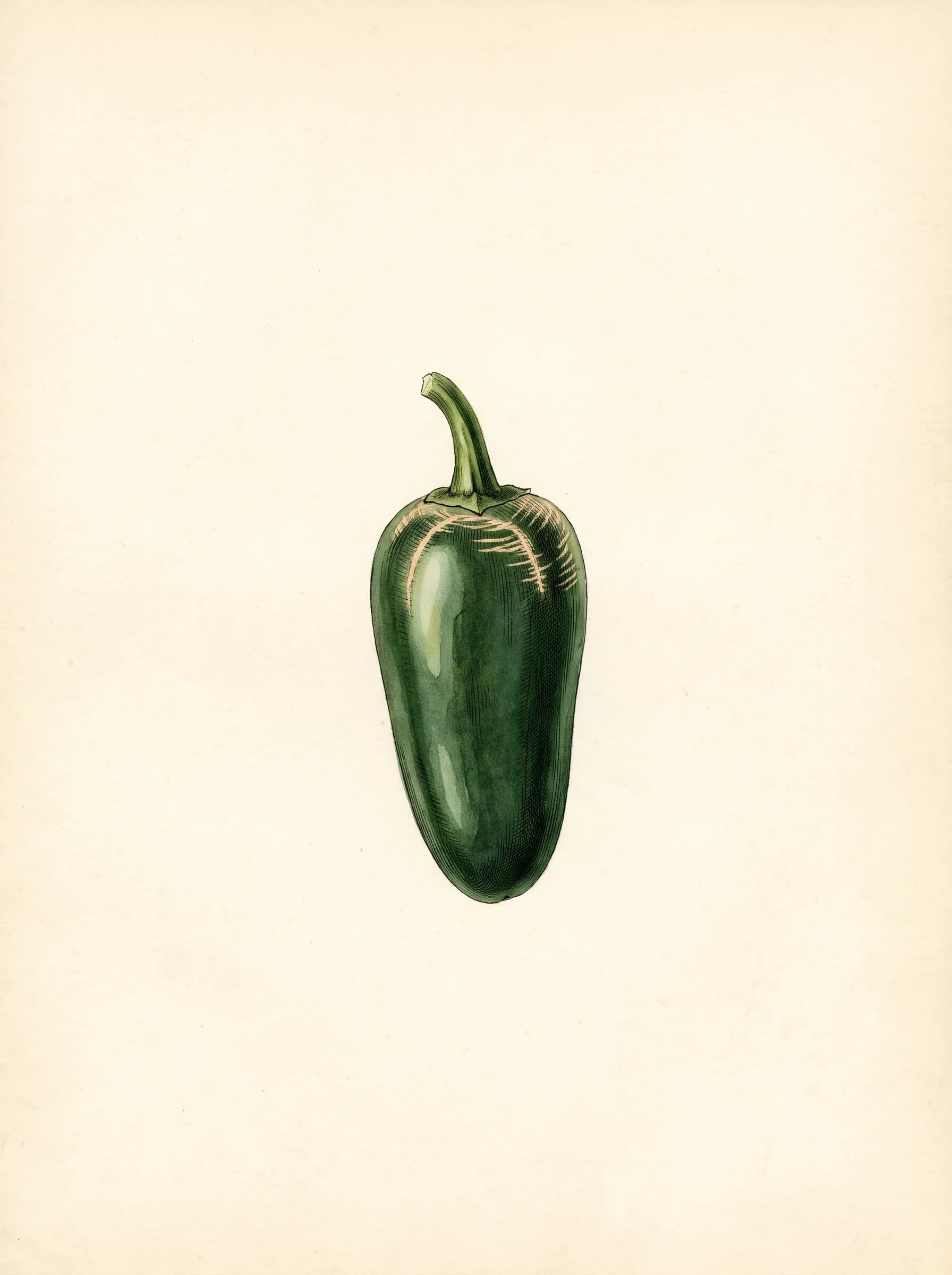
Jalapeño
2,500–10,000 SHU
University of Arizona Extension credits it with a rare balance of flavor and heat.
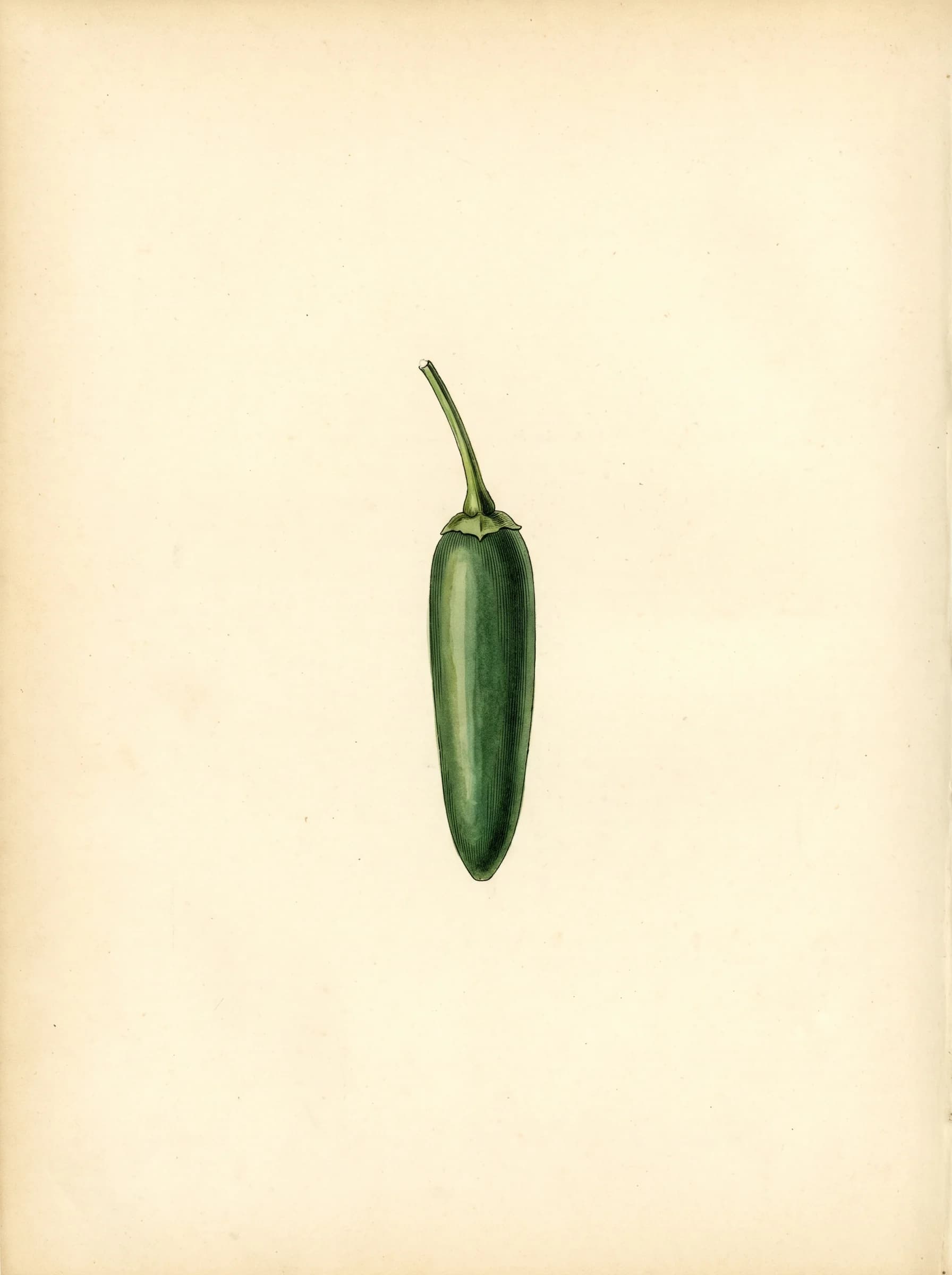
Serrano
5,000–15,000 SHU
Clean, green, and sharper than a jalapeño; University of Arizona Extension calls it the hotter of the two.
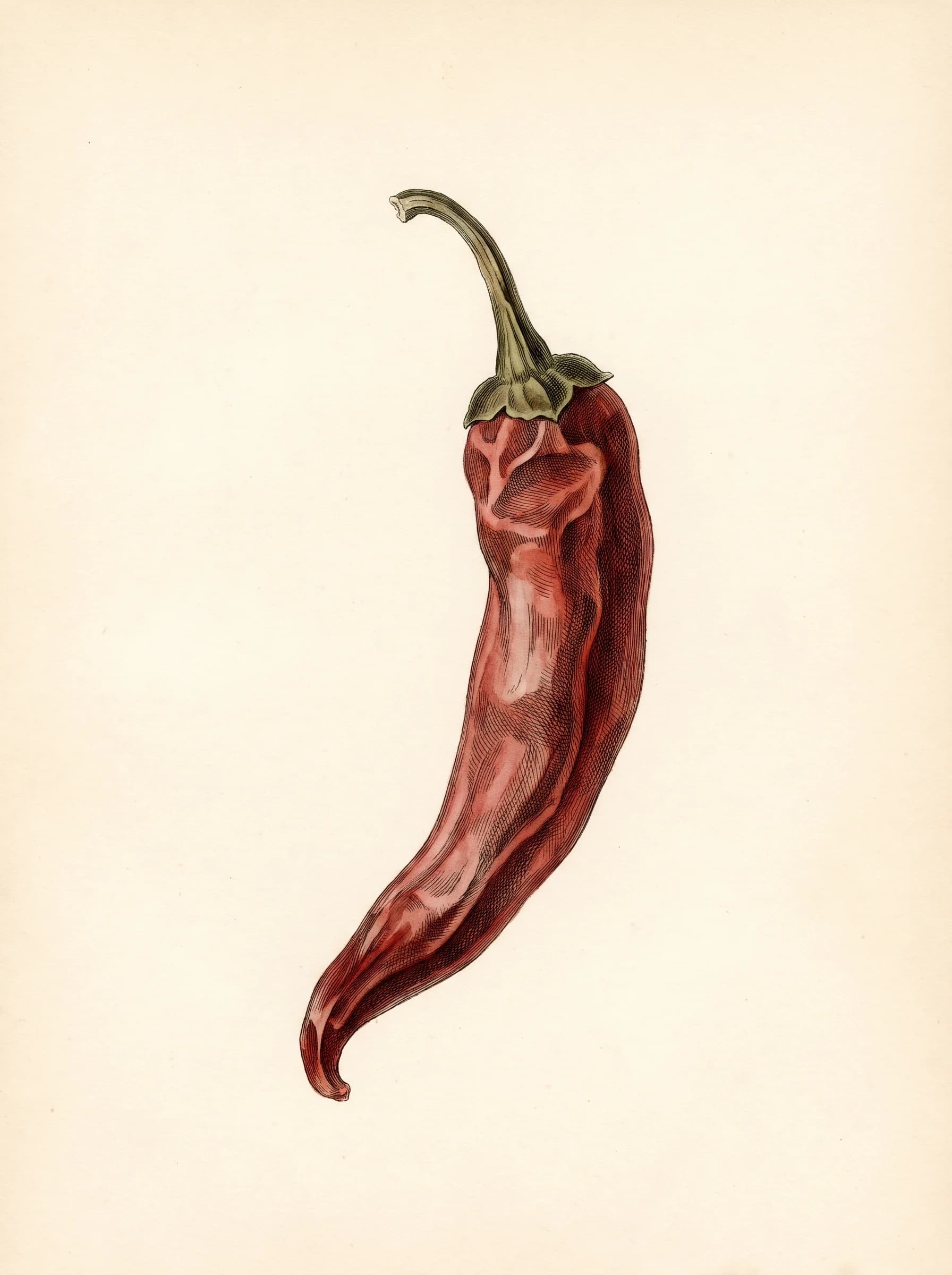
California
Dried Anaheim · 500–2,500 SHU
Light and bright, with notes of golden raisin and red pepper, in Milk Street’s description of the dried pod.
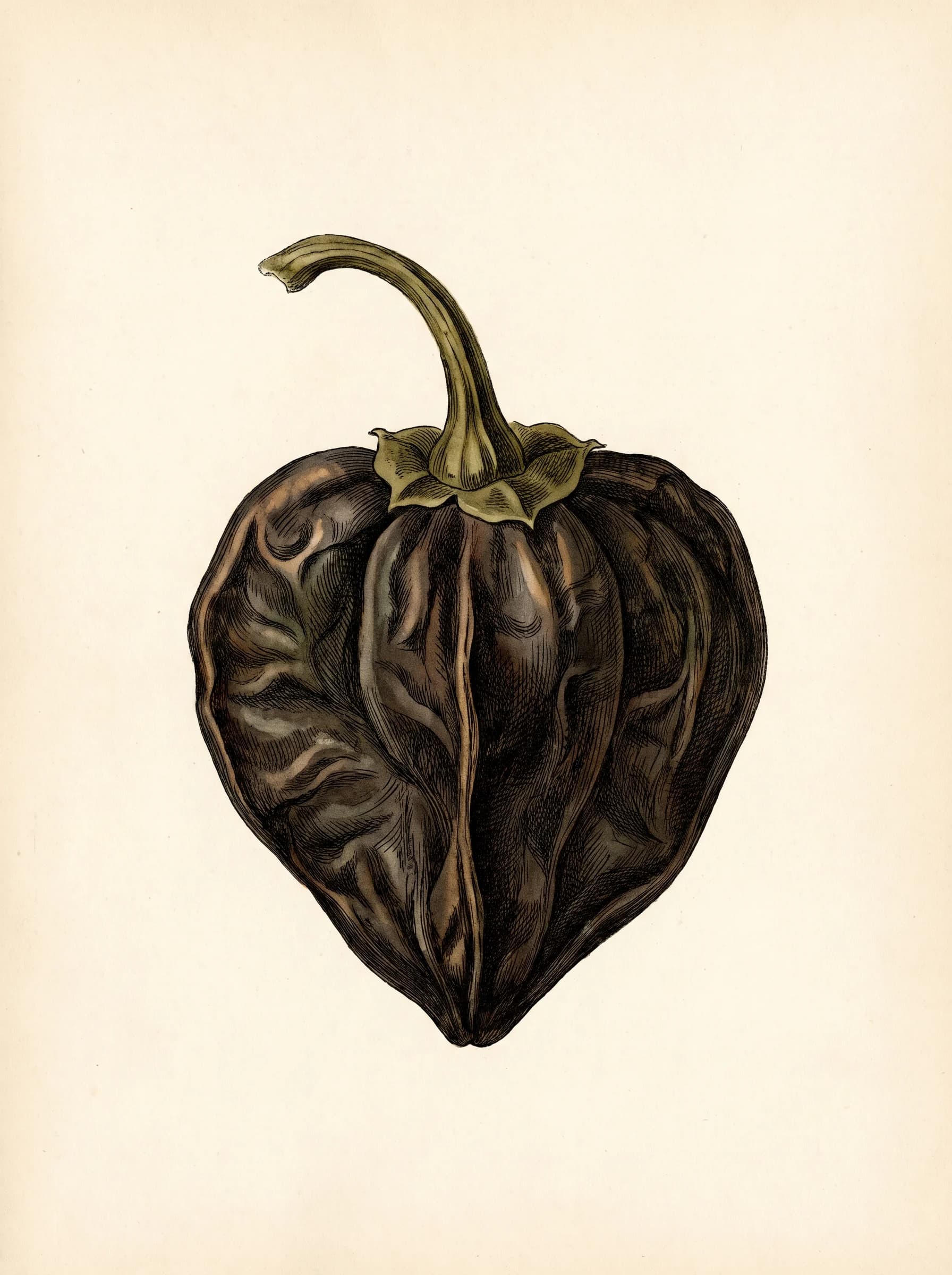
Mulato
Dried Poblano · 1,000–1,500 SHU
Very smoky, with hints of licorice and dried cherry, according to America’s Test Kitchen.
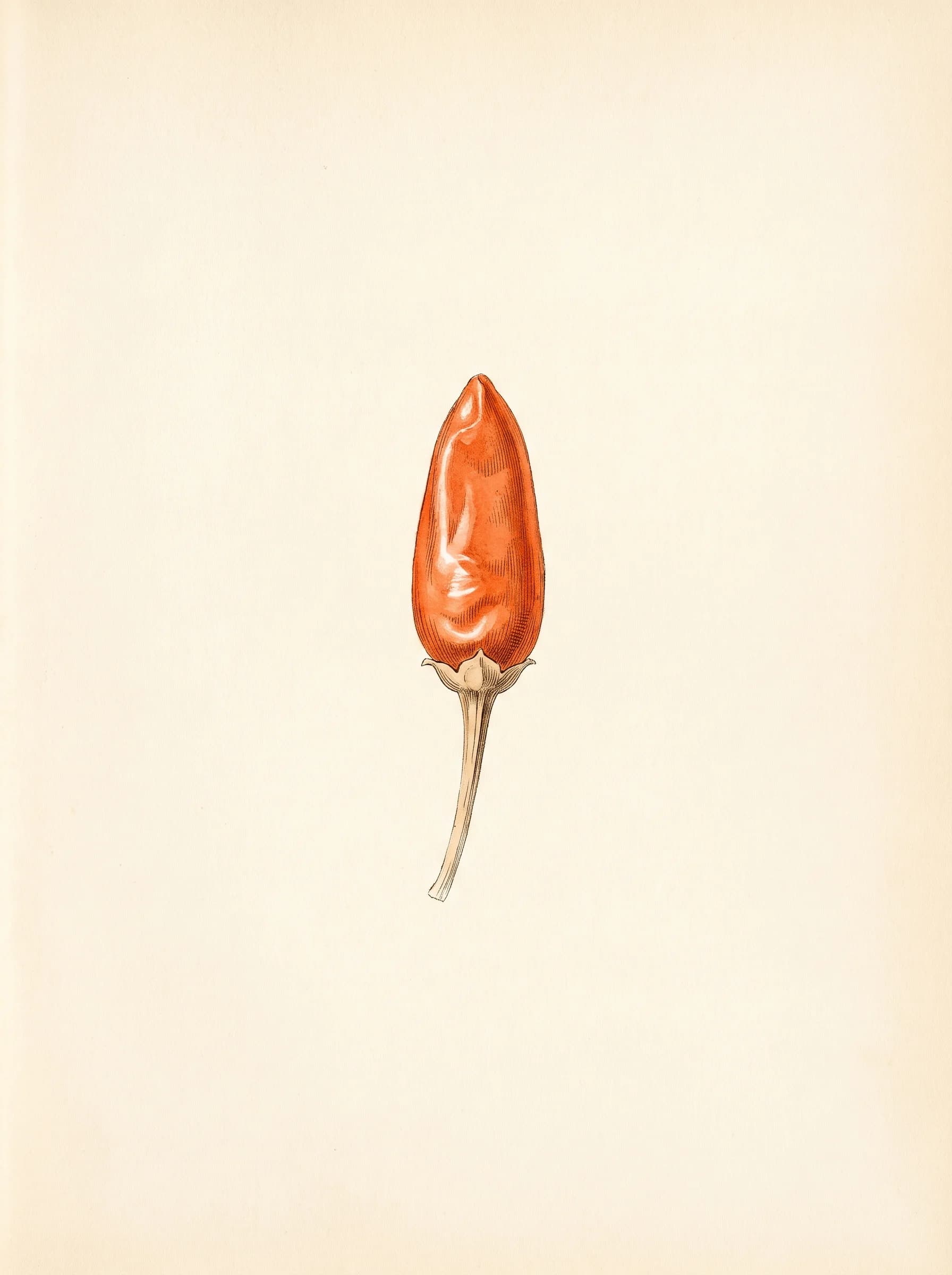
Pequín
30,000–50,000 SHU
Bright and citrusy, in America’s Test Kitchen’s description.
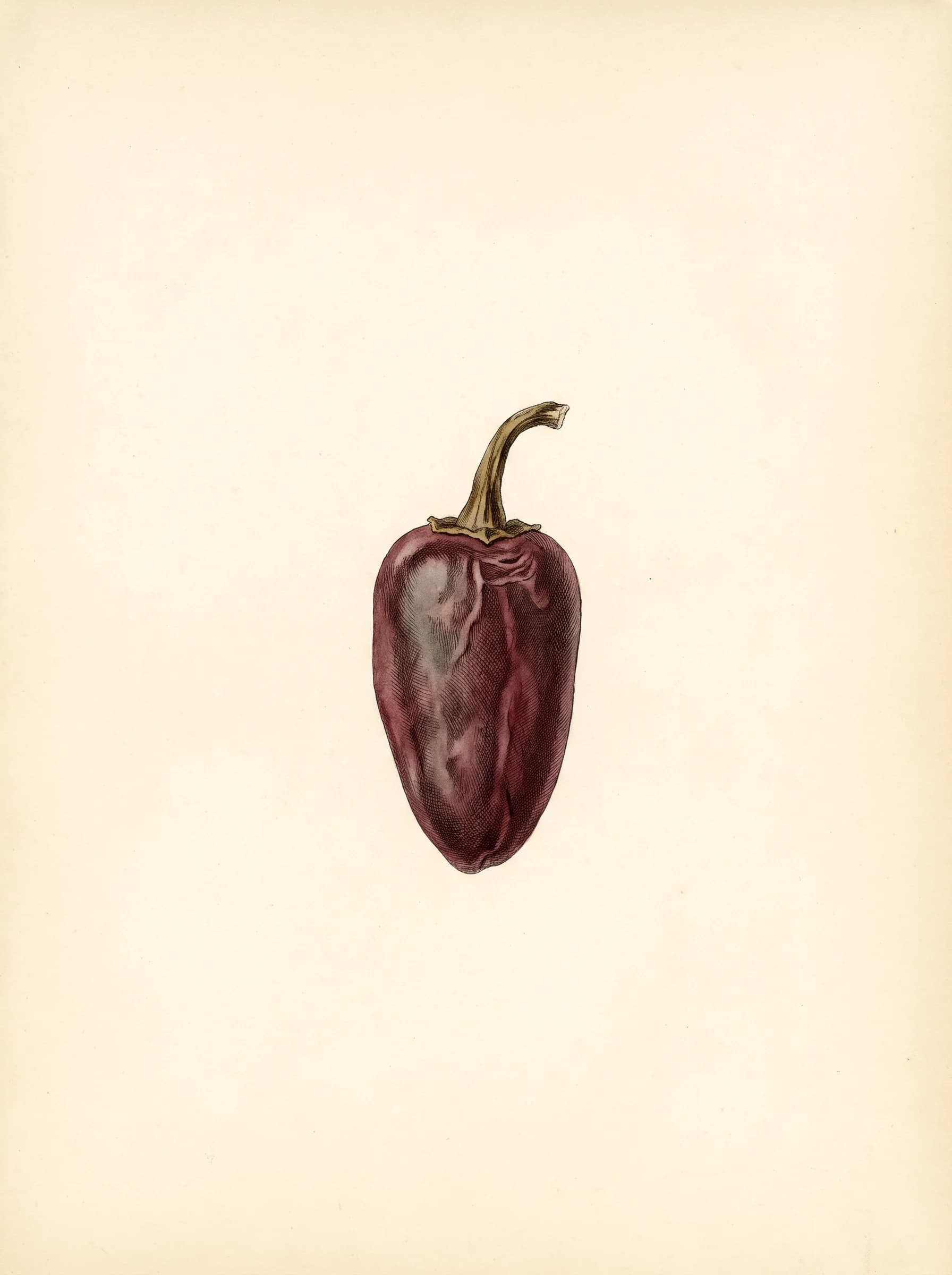
Morita
Dried Jalapeño · 2,500–8,000 SHU
Smoky, with a somewhat sweet, chocolaty aroma, in Spices Inc.'s description.
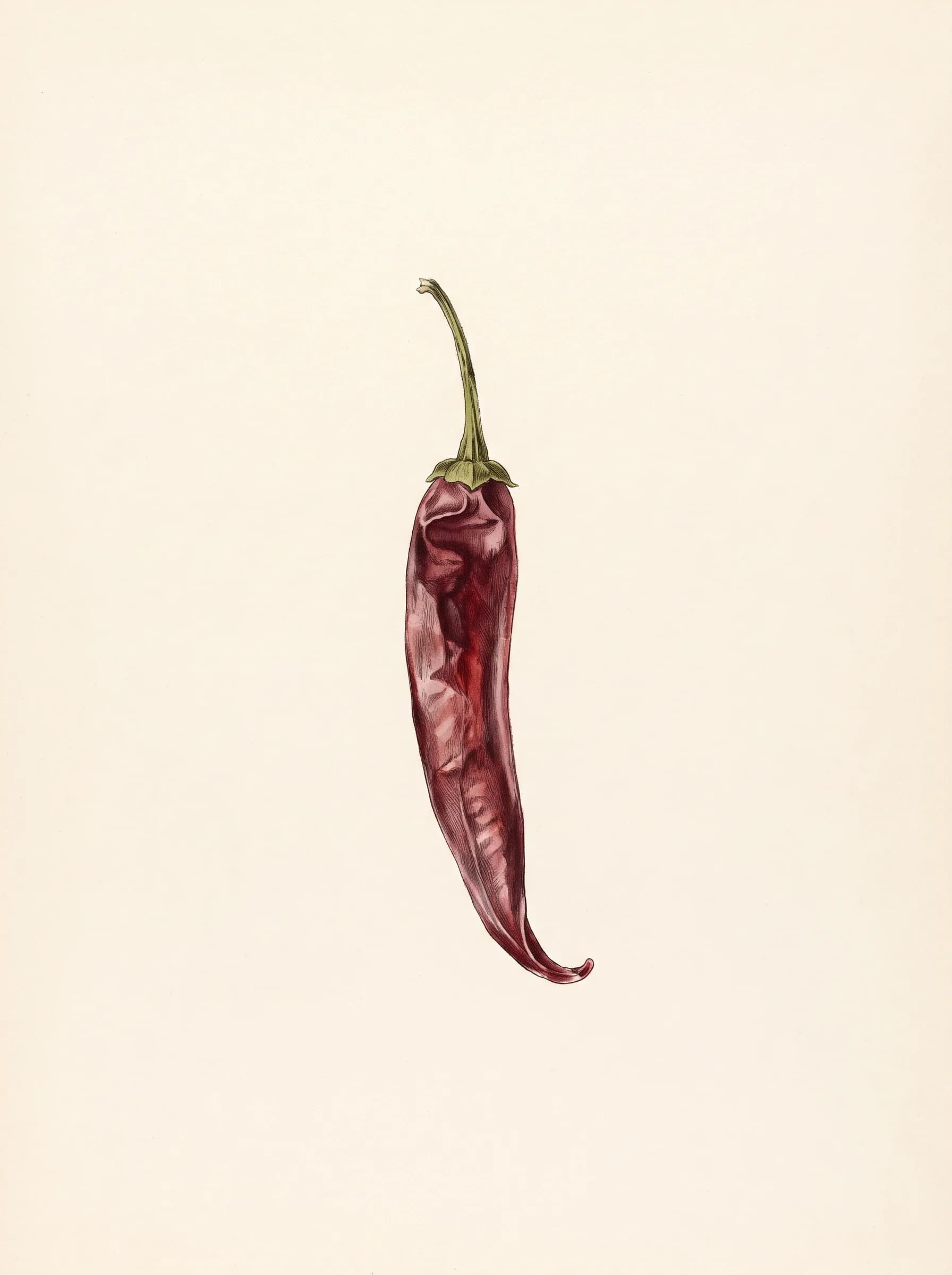
Puya
5,000–8,000 SHU
Decidedly tart, almost limey, in Lucinda Hutson’s description; Spices Inc. notes cherry and licorice.
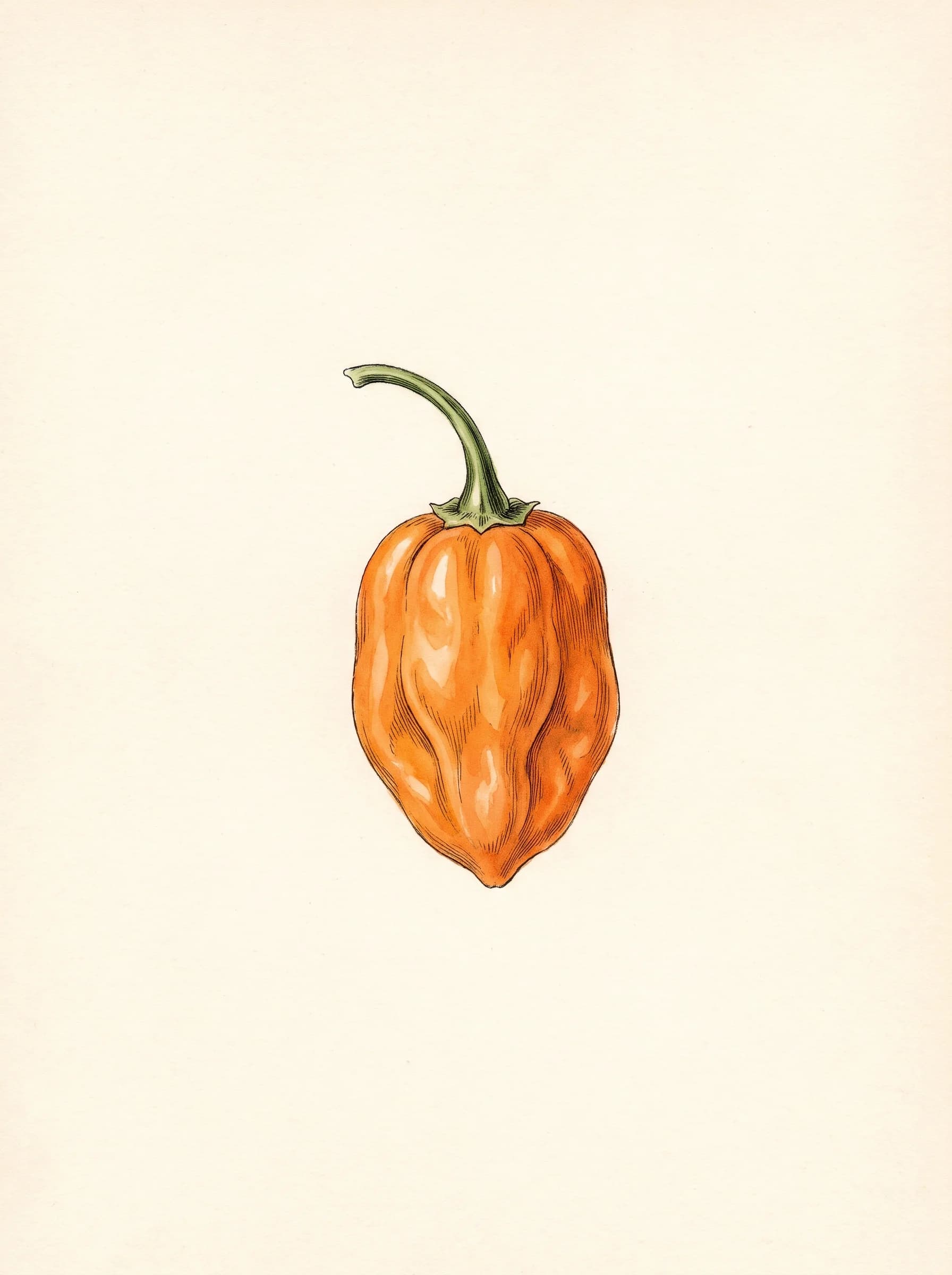
Habanero
100,000–500,000 SHU
A fruity aroma often compared to apricot, as Dave DeWitt notes, under a fierce heat.
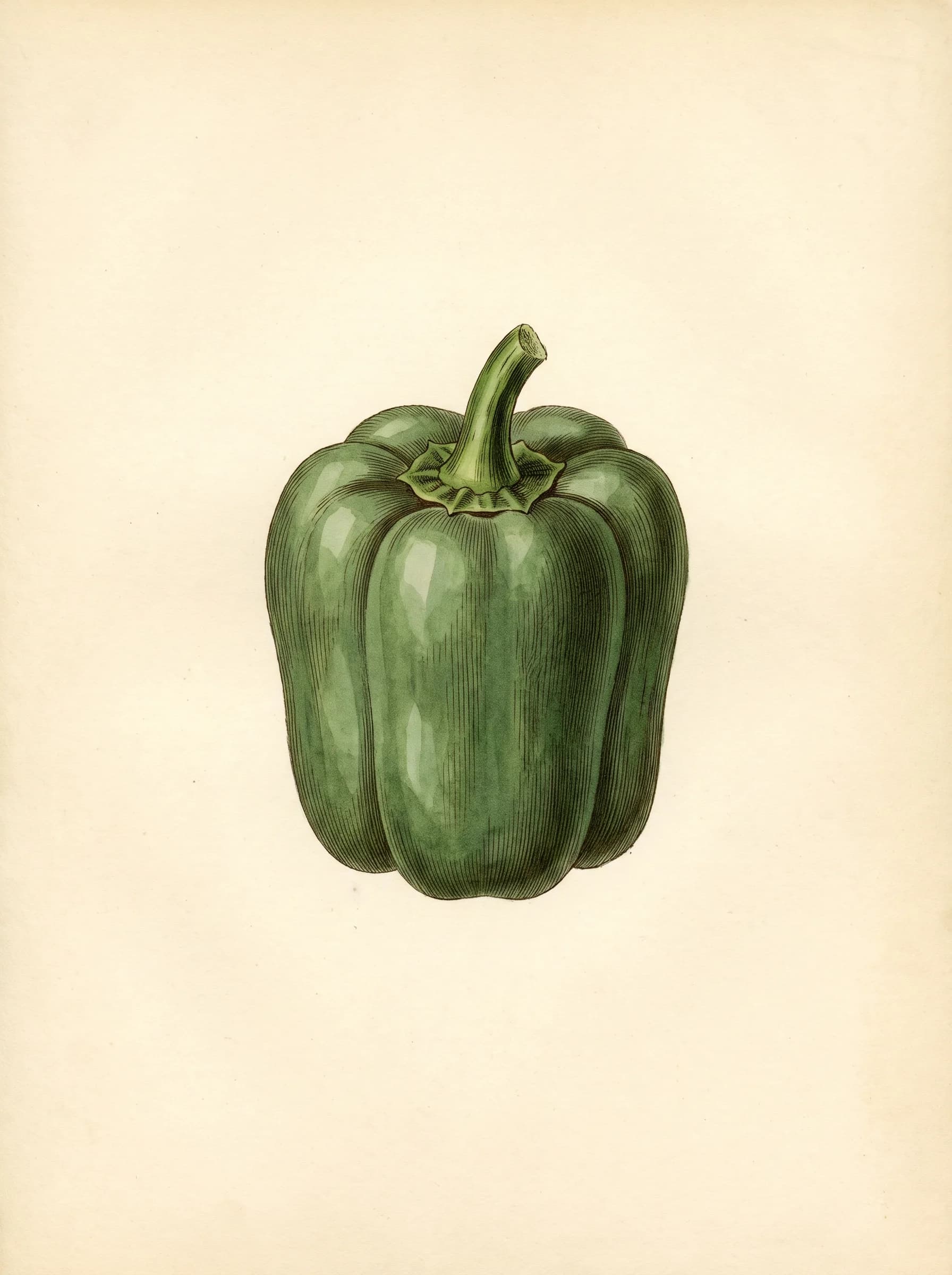
Bell Pepper
0–0 SHU
Sweet and vegetal; University of Arizona Extension says it should not be the least bit hot.
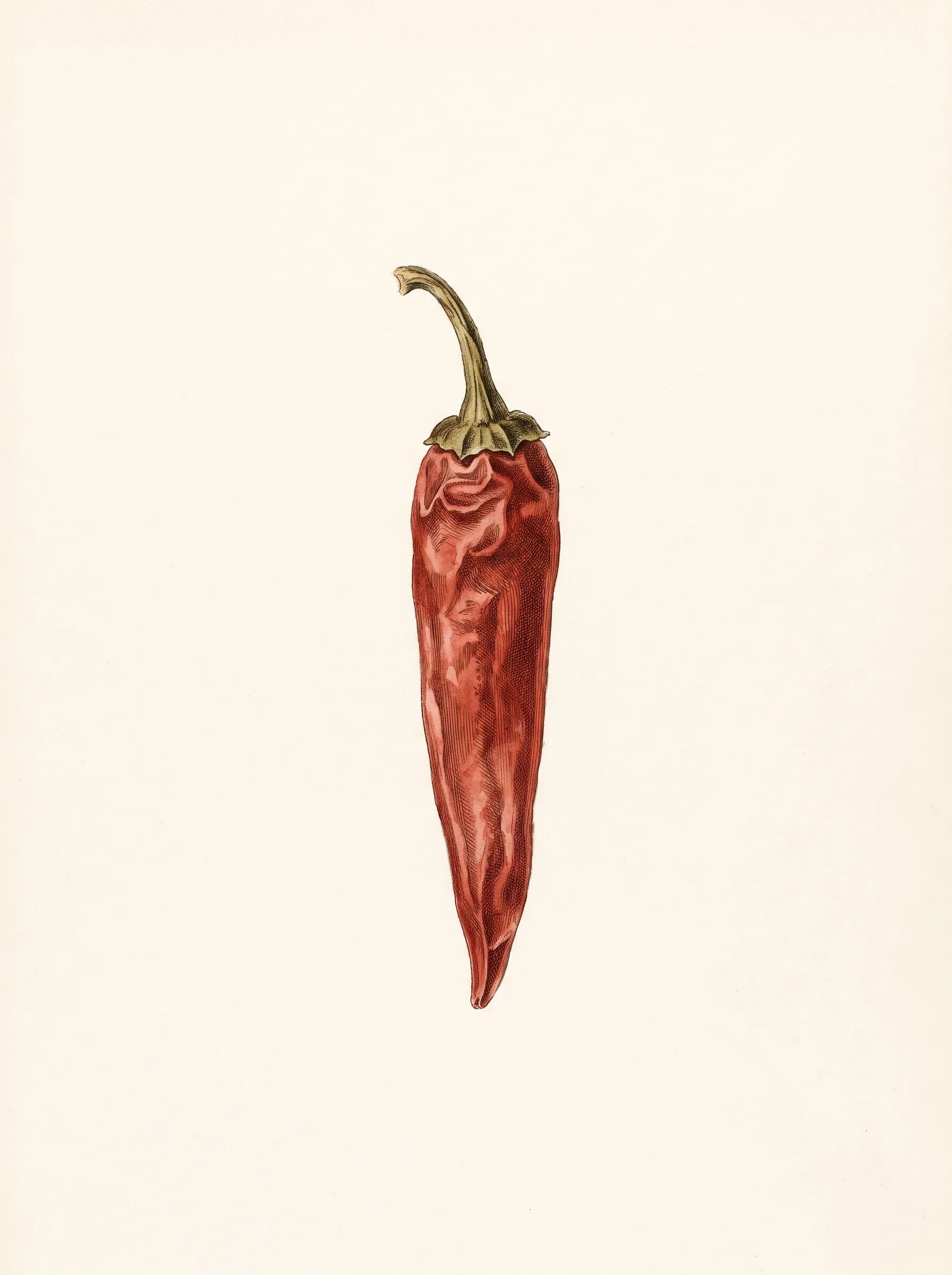
Paprika
0–500 SHU
Sweet and mild in American trade, valued more for color than heat; Hungarian grades run from mild to hot.
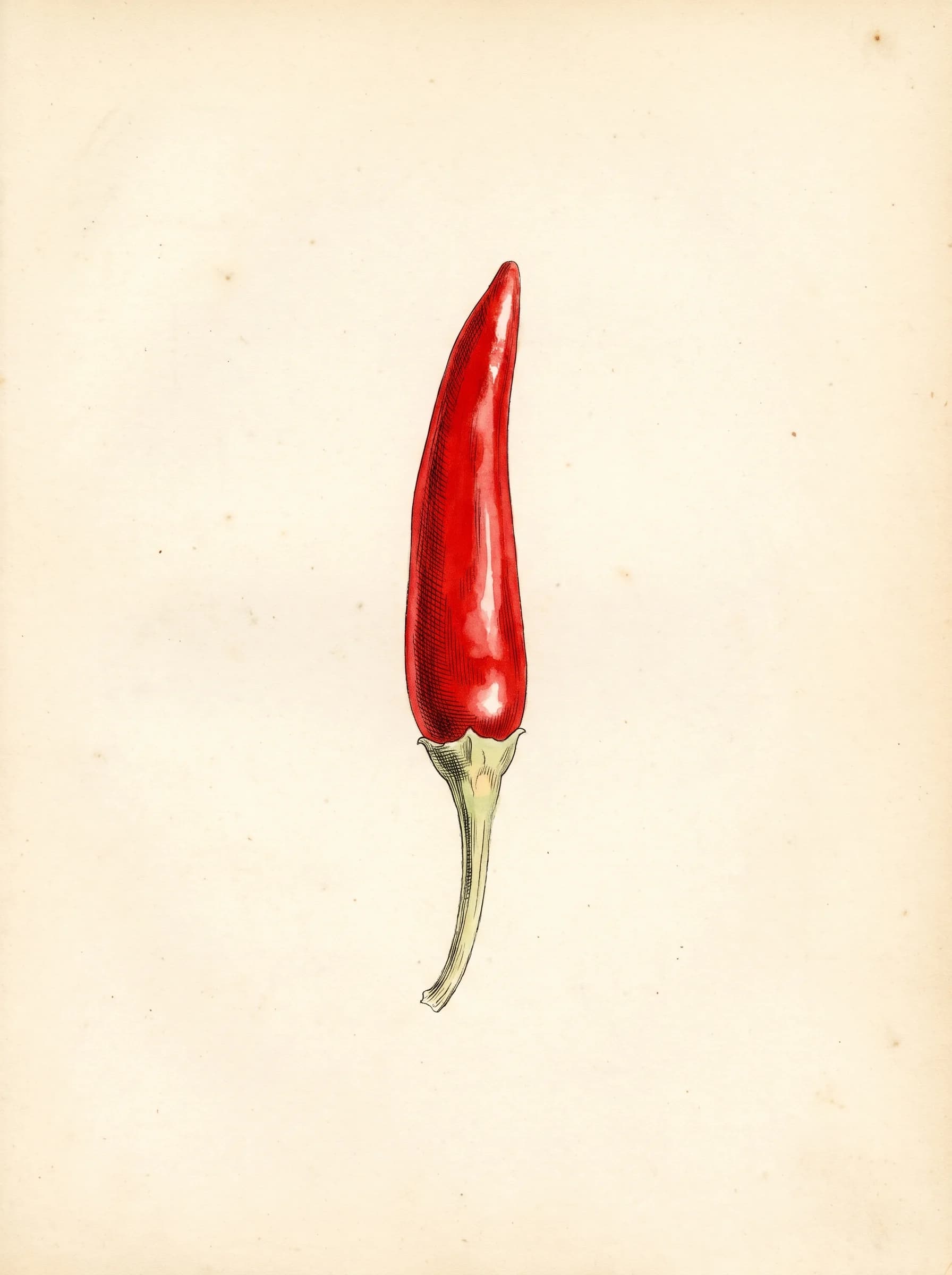
Tabasco
30,000–50,000 SHU
Reaches most chili pots as Tabasco sauce: the peppers fermented with salt, then cut with vinegar.
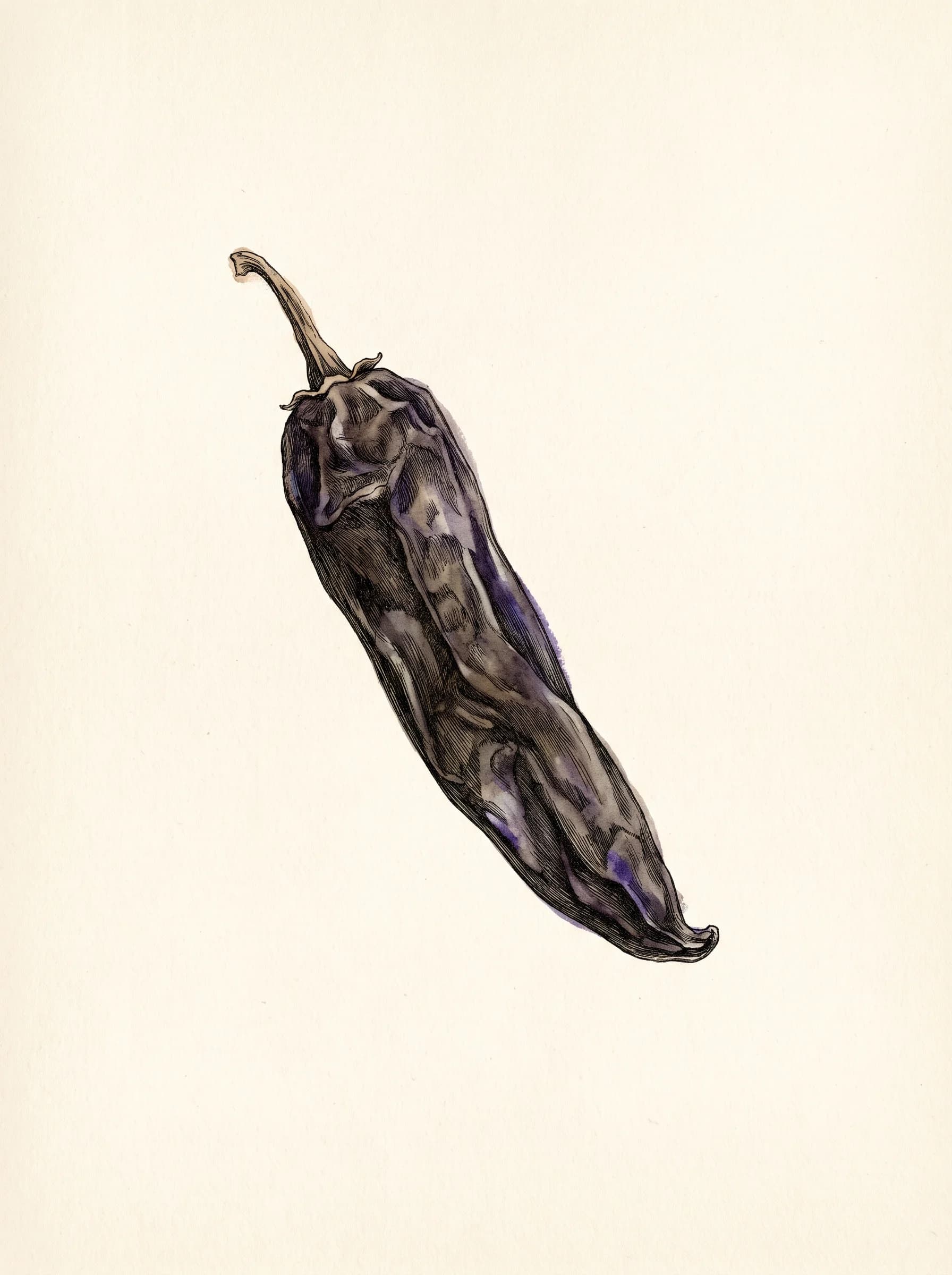
Chile Negro
1,000–1,500 SHU
As pasilla, dark and bittersweet, with the dried-fruit notes that give pasilla its name.
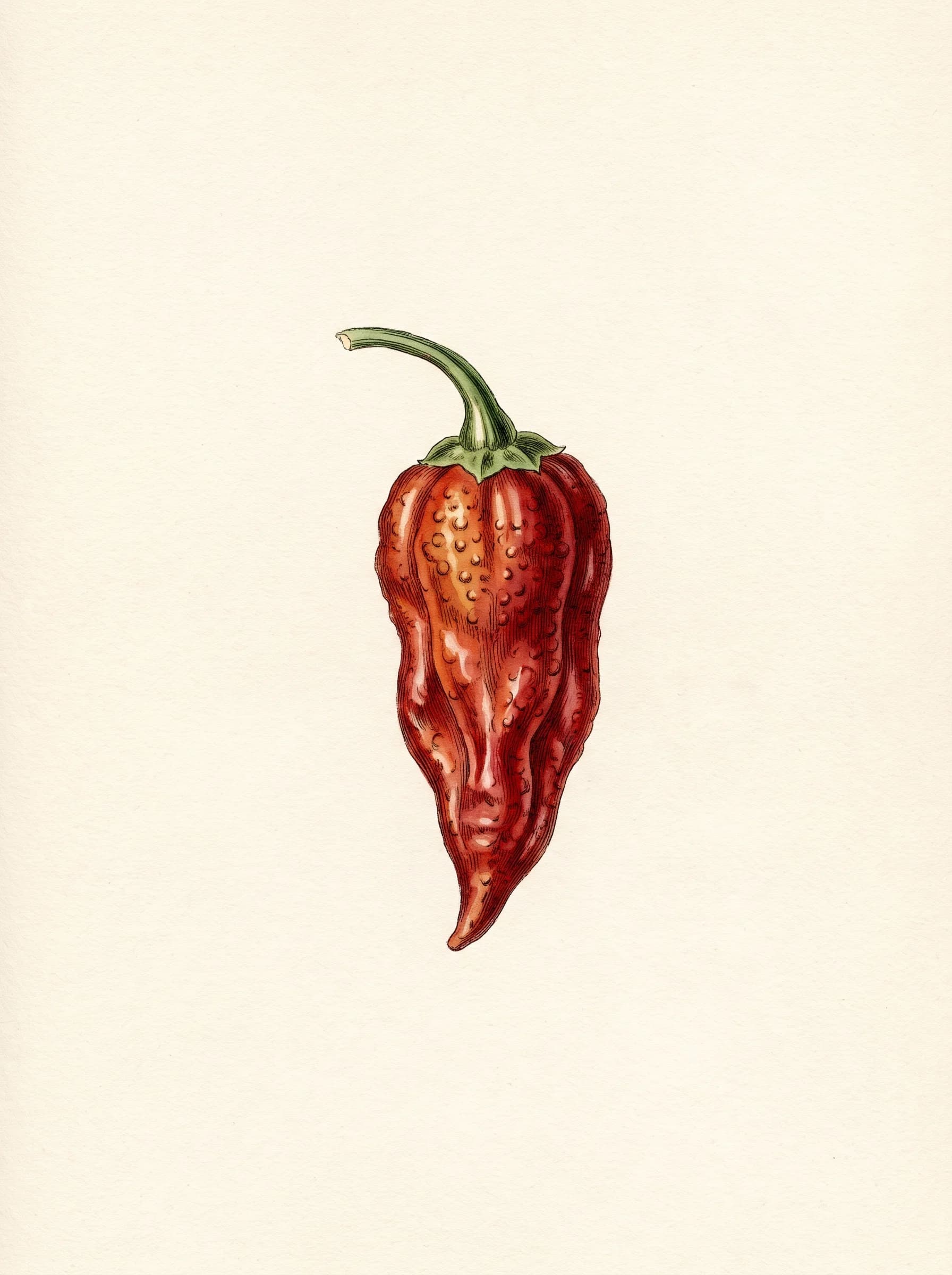
Ghost Pepper
1,001,304–1,041,427 SHU
A fruity chinense aroma under a heat that, in Paul Bosland’s account of the name, makes the eater give up the ghost.
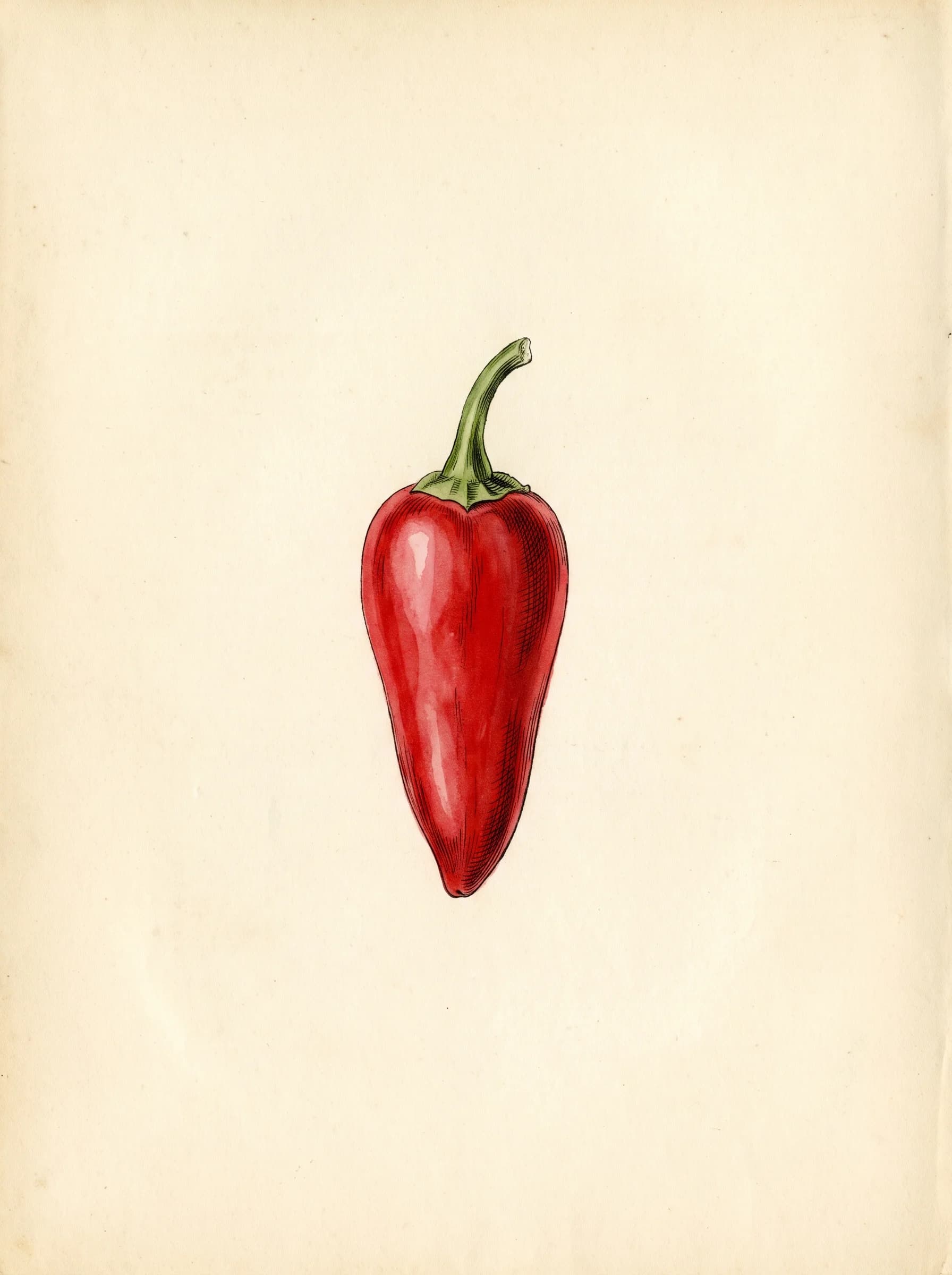
Fresno
2,500–10,000 SHU
Chefs credit it with a more complex flavor than the jalapeño, according to Valley Public Radio.